I’ve been collecting mechanical keyboards (and macropads) for a while now, which means I’ve reached the point where I’m into the more niche builds, like 40s and split ergonomic boards. For a time, I was really big into building Cornes, but what always bothered me was that there were very few high-end builds with a Corne or similar layout. In comes ai03 (one of the most prolific keyboard designers in the hobby), and in partnership with Cannonkeys, they have released the Altair — a split ergo keyboard designed for enthusiasts and newcomers alike, which is why I quickly joined the first group buy last year.
Nine months later, the board was delivered to my doorstep, and I instantly fell in love. I finally had a fancy split ergo, complete with brass weights and a sexy aluminum case. I’ve been using it all year, so when I heard a round 2 was coming, I just knew I’d have to write about my experience so more people can get in on the fun.
Altair and Altair-X are back for round 2
As of this morning, Cannonkeys has opened a group buy for round 2 of the Altair and Altrai-X split ergonomic mechanical keyboard designed by ai03. The group buy (think of it as a pre-order or crowdfunding) runs from September 19th to October 20th, providing ample time for everyone to make up their mind if they would like to join the buy. While I don’t see a timeframe listed on the site, I went ahead and jumped over to Cannonkeys’ Discord to ask when delivery may take place, and Upas (a keyboard designer for Cannonkeys) was nice enough to confirm they are shooting for a Q3 2026 delivery.
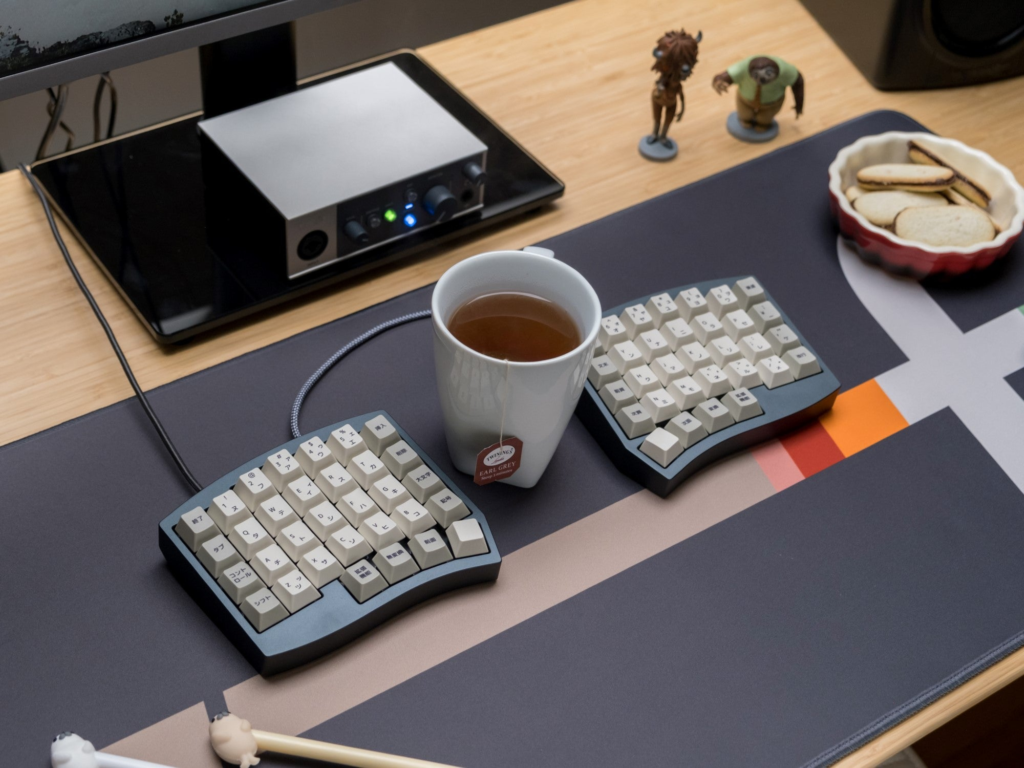
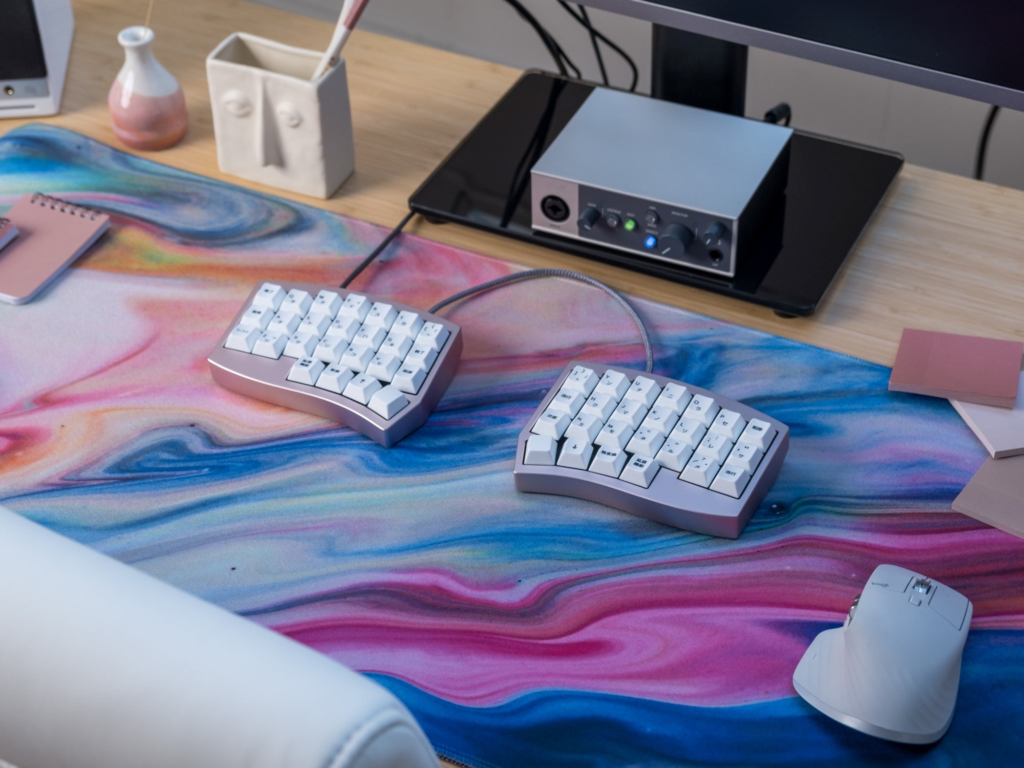
Source: Cannonkeys
Now, there are two separate choices when it comes to this split board. The Altair offers a ~60% layout with a number row, making for a 7-column 5-row layout with 64 keys. This is a layout for those who absolutely require a number row and are still uninitiated with the pleasures of using a 40% layout.
Then there is the Altair-X (this is the board I built earlier in the year), which is more akin to a 40% since there is no number row to speak of, making for a 7-column 4-row layout with 50 keys. I find the smaller layout and fewer keys suit my typing style better; layers are my friend.
Differences from round 1
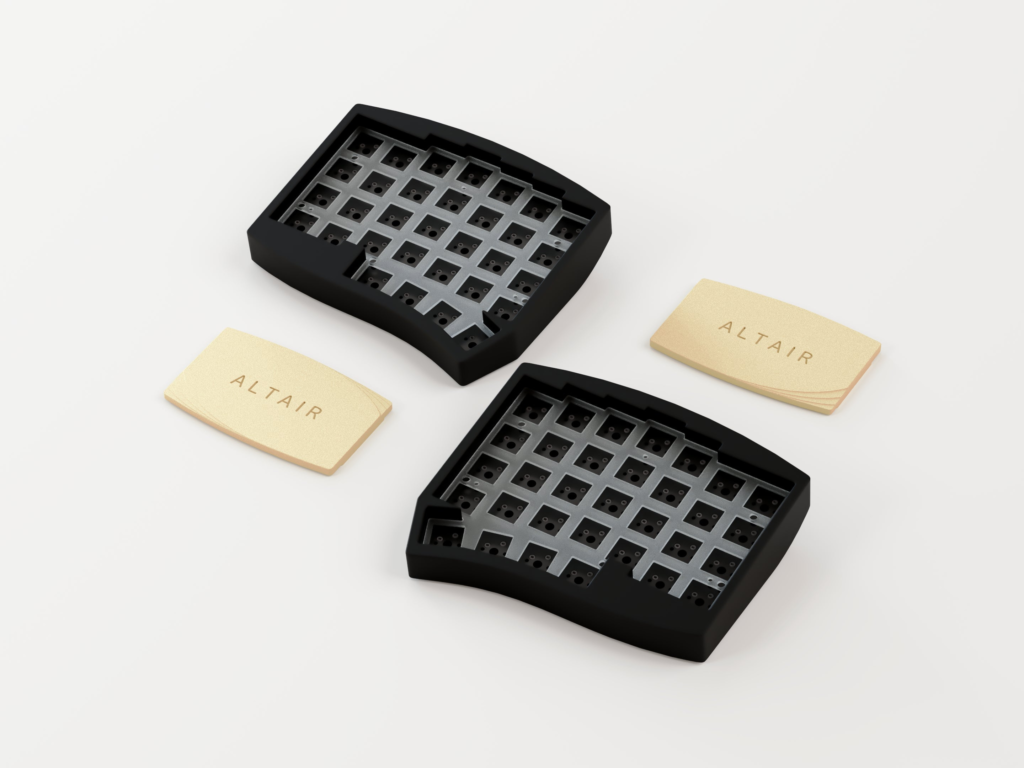
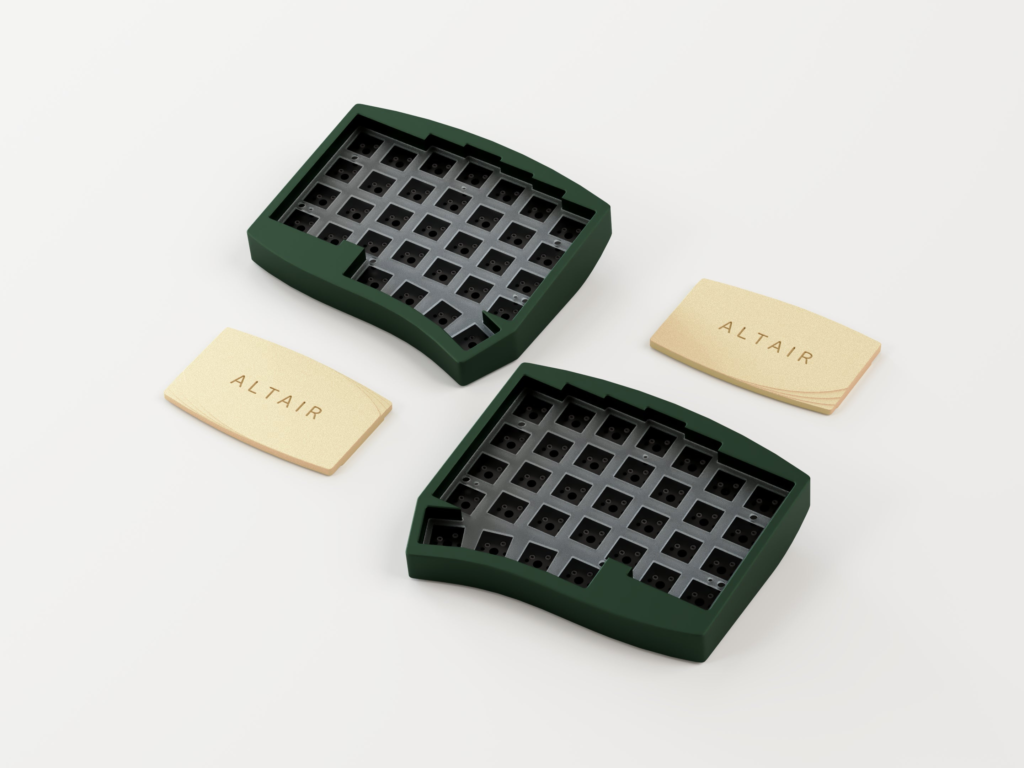
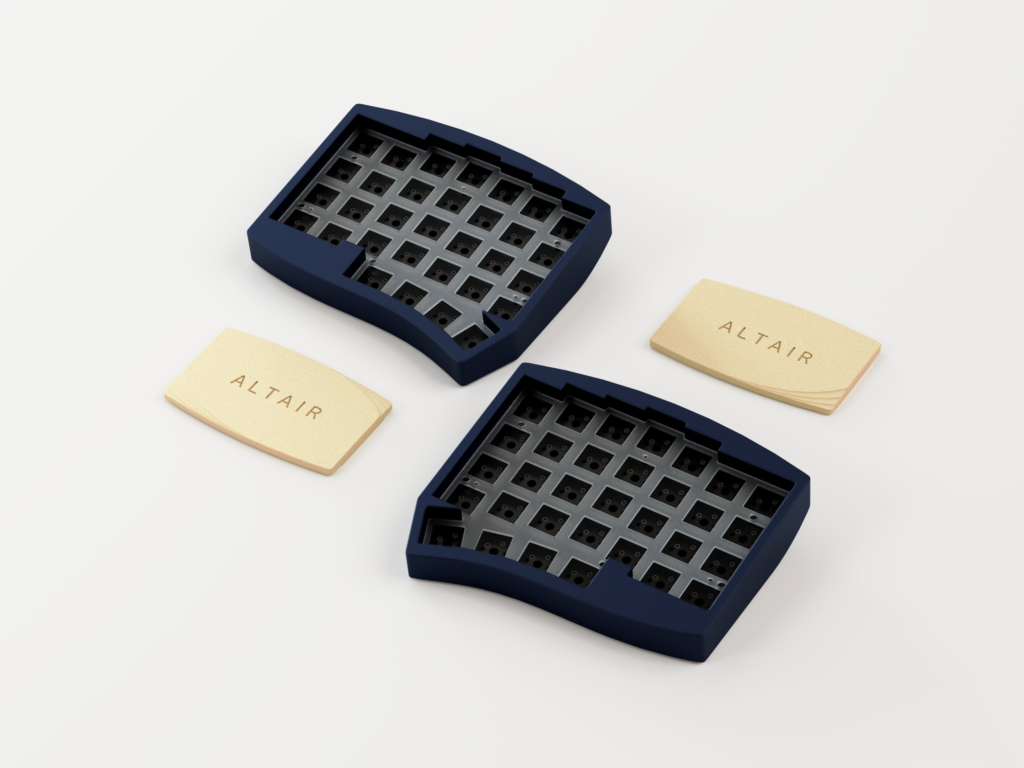
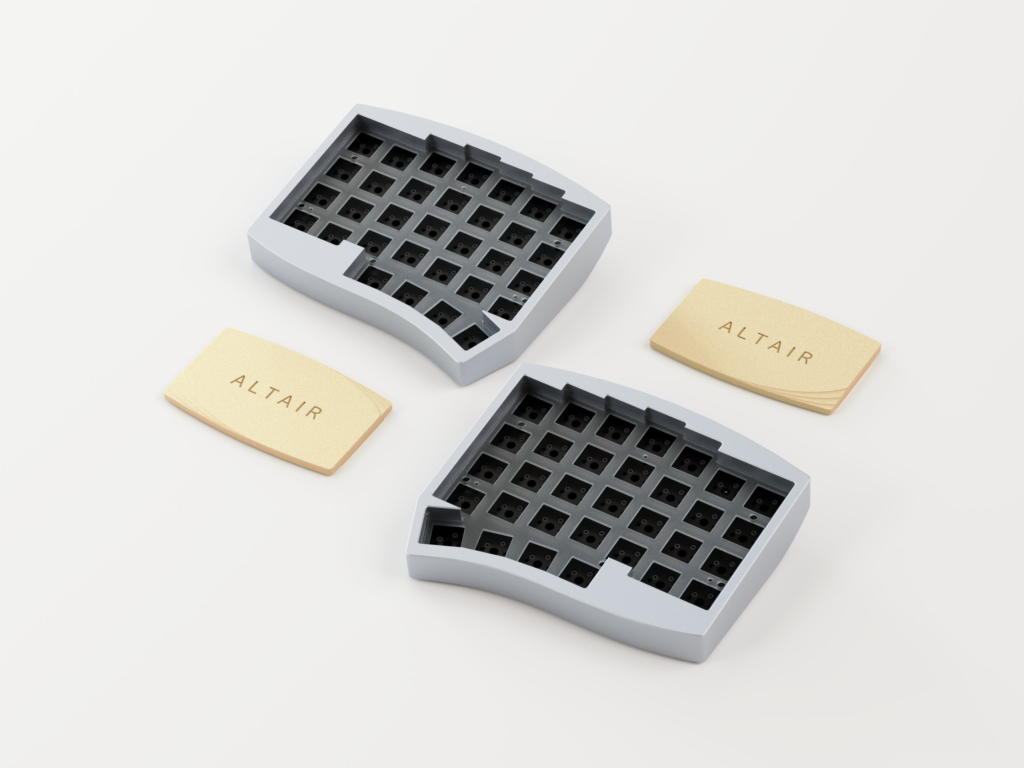
Source: Cannonkeys
For round 1, there was a choice of three case colors: dark gray, white, and rose gold. For round two, there are now four colors to choose from: black, camo green, navy, and silver. There is also an optional solder PCB, which wasn’t available for the first round, and it is very welcome to see.
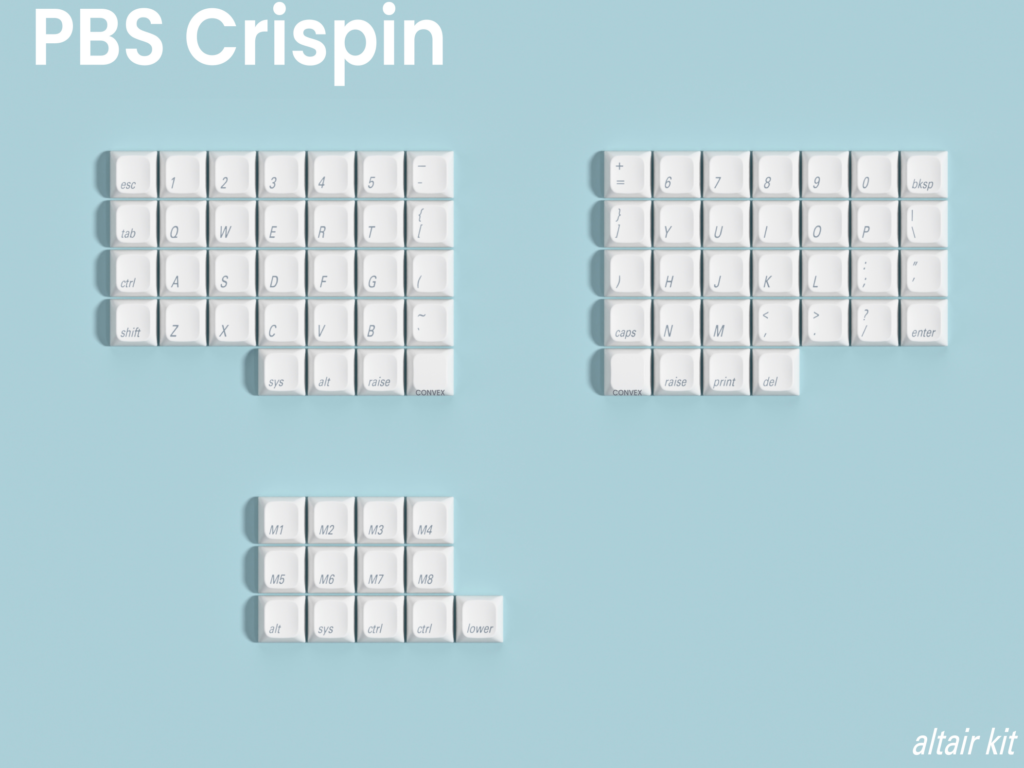
Source: Cannonkeys
It would also appear that the new custom keycaps for the board, called Crispin, forego the extra legends of the first round’s Altair caps for something cleaner. This is a double-edged sword, as those legends were helpful for newcomers to learn the default layout. Then again, seasoned keyboard enthusiasts don’t need extra legends to remind them what’s on the layers of their keymap, so cleaning up the cap design is a win for anyone who already knows how to use a split ergonomic board and set their own custom map.
The Altair is a great entry point into split ergonomic mechanical keyboards
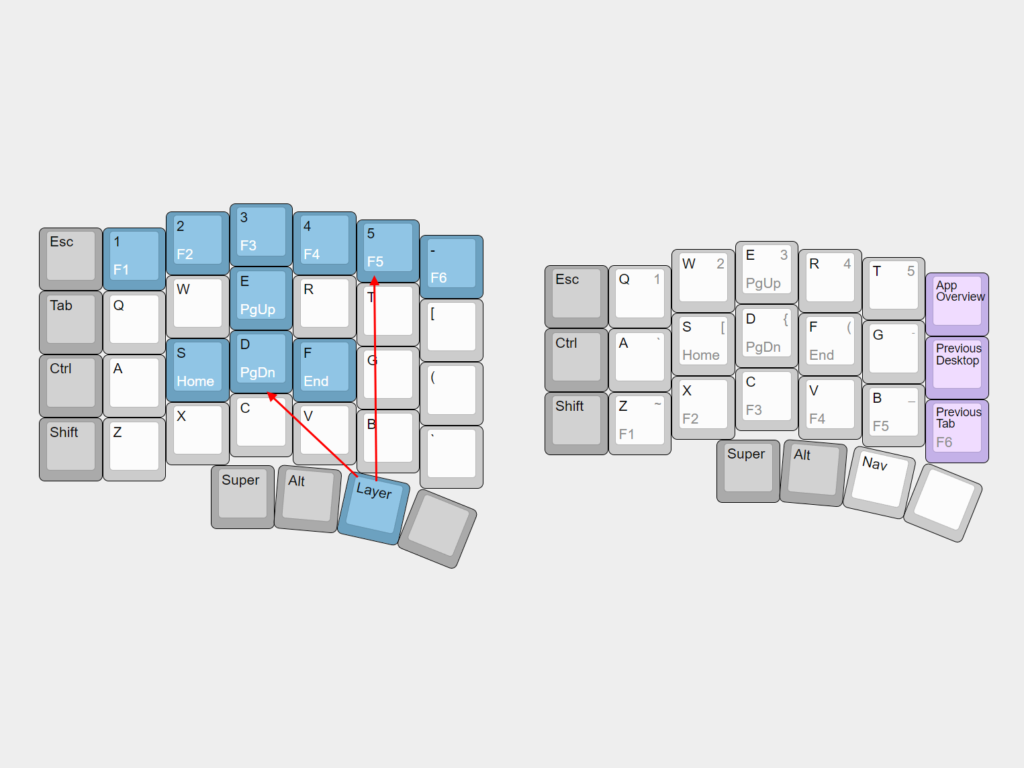
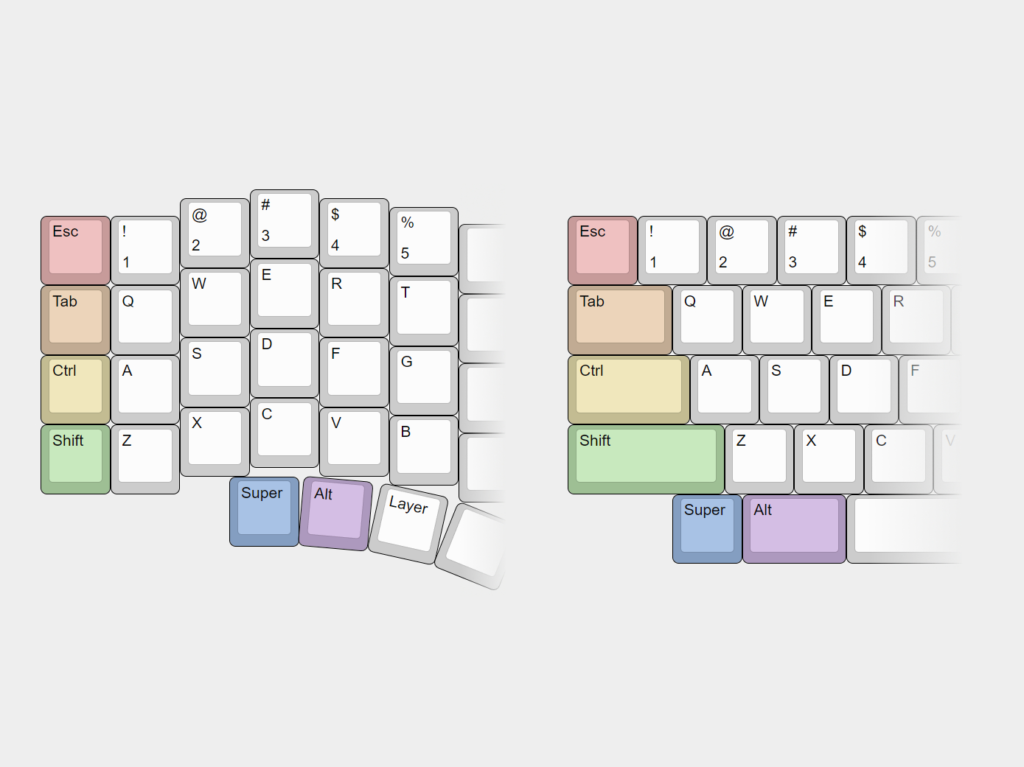
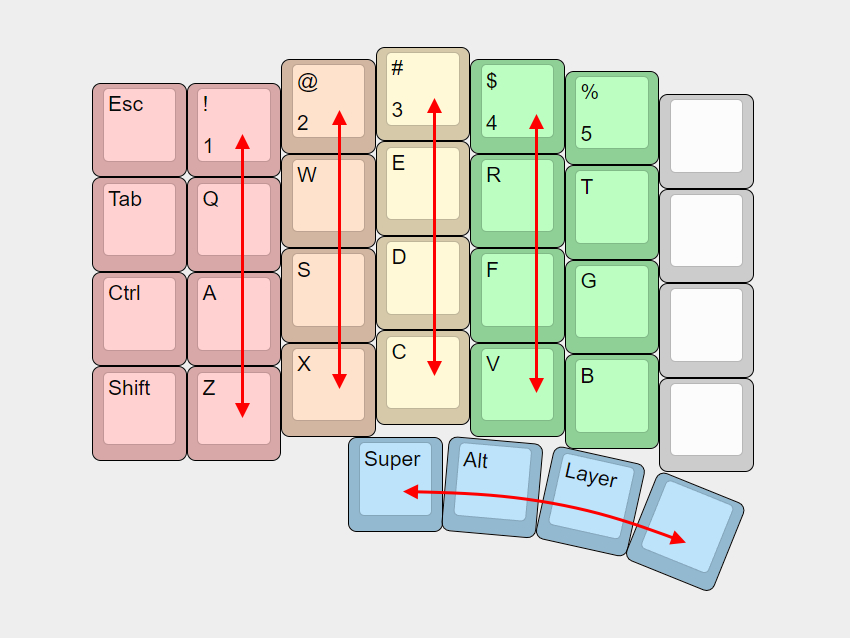
Source: Cannonkeys
What’s especially lovely about the Altair is that ai03 spent 5 years testing and refining the design before releasing it to the masses through Cannonkeys. The board is gasket mount, but not in the traditional sense. You actually affix gaskets to the bottom of the PCB, and then screw in the plate into the board like a tray mount, except the screws are there only to hold things in place and let the gaskets work their magic, offering some give when typing, which also helps to keep things sounding great (and that’s rarely the case with split boards).
While I wasn’t sold on this mounting method when I joined the first group buy last year, I can confirm that in practice it works a treat, allowing for a pleasing typing experience that doesn’t have the abrupt bottom-out of a typical case mount.
Perfection comes at a cost, but thankfully, the price is pretty low for what you get
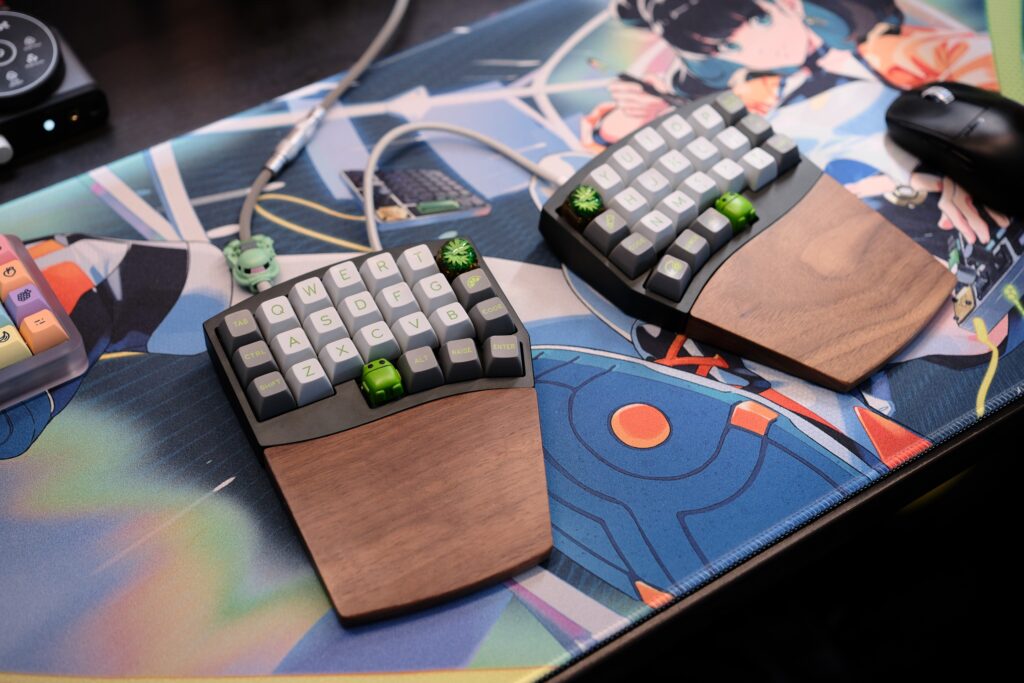
Here’s my Altair-X looking pretty sharp
The Altair and Altair-X come in four color choices, each costing the same, with the Altair retailing for $315, and the Altair-X for $300. These are great prices for a split board because, in actuality, you are getting two different pieces of milled aluminum, not to mention two milled brass weights and two milled polycarbonate plates. When manufacturing splits, the work doubles, and typically that means high prices. However, ai03 and Cannonkeys have done a great job of keeping the price as low as possible while using premium materials, so trust me when I say these prices make sense.
Of course, like any proper mechanical keyboard group buy, there are add-ons available. From aluminum and FR4 plates, solder PCBs, to foams to fill your case, to matching wrist rests, as well as keycaps explicitly made for the Altair and Altair-X layout. So, no matter how you want to trick out your build, there are plenty of options to choose from.
My Altair-X from round 1 sounds and feels great. Take a gander
Altair-X sound test
Rather than simply recommending the Altair with my words, I wanted to offer a sound test and some images of my build so everyone can get a better idea of what the board offers. This way, you can make an educated purchase.
My R1 dark gray build for the Altair-X utilizes the optional aluminum plate, with no foam in the case (I purchased some, but it felt it deadened the lively sound of the case). I chose Gateron’s Smoothie Silver linear switch, which is a POM switch (softish plastic) that helps things from getting too clacky with the aluminum plate. It’s a gaming switch with a short actuation thanks to its long pole stem, and I topped these switches with SA Lime keycaps from Signature Plastics (currently on sale at SP and Drop). I also tossed a couple of artisans in the mix, including custom Android caps from Raw Studio, as well as La Dudu (Dom) caps from Dwarf Factory. I even picked up a short braided USB-C to USB-C Chubby Cable to connect both halves.
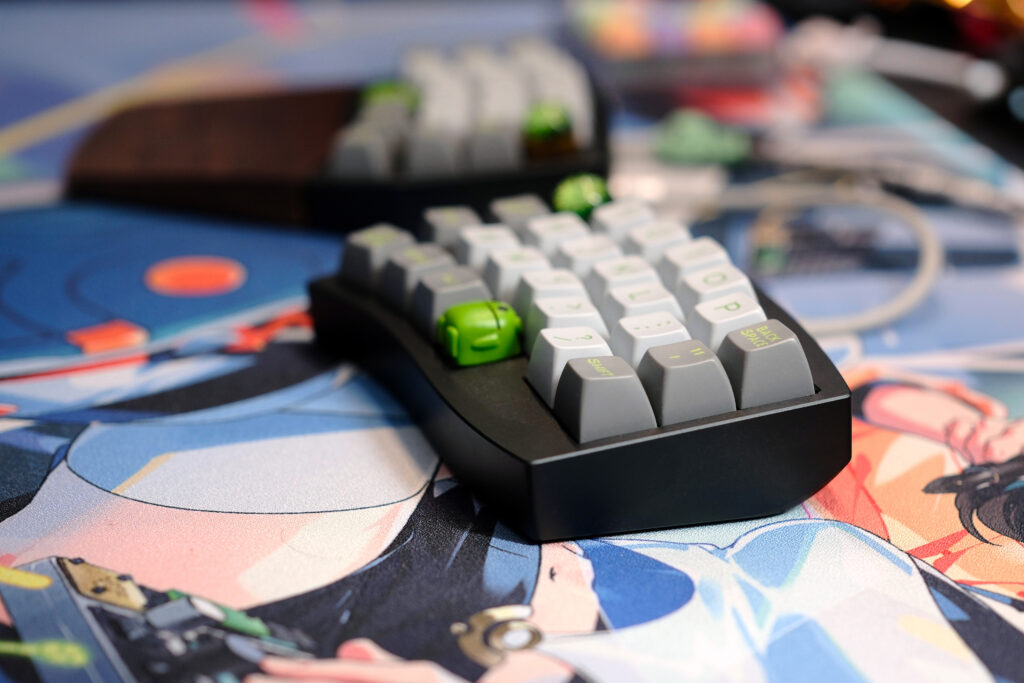
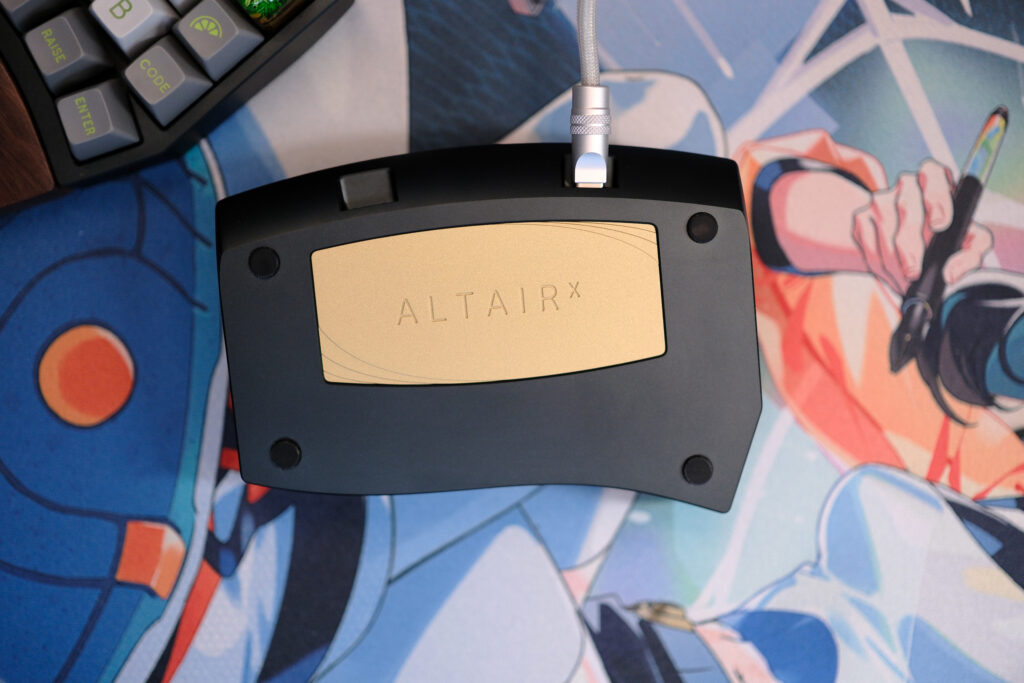
Side profile and bottom of the case with a brass weight
The build was easy since there is no soldering with the hot-swap PCB (which is the default in round 2), and even assembly is straightforward, as all you really do is screw the plate into the case once the PCB and keycaps are attached. Perhaps connecting the ribbon cable between the PCBs and daughterboards can be a little fiddly, but even that proved to be no problem after several rebuilds until I landed on my perfected switch and keycap setup.
All in all, the Altair was one of my favorite purchases in the last year. It’s easily one of my fanciest split ergos, and it simply looks sharp on the desk, I can’t deny. I did pick up the optional wrist rests, which help to accentuate the board, not to mention raise my wrists a bit so that I’m not lifting my fingers too much for the tall SA caps I use.
Secure your Altair while you can; you have a month to make up your mind
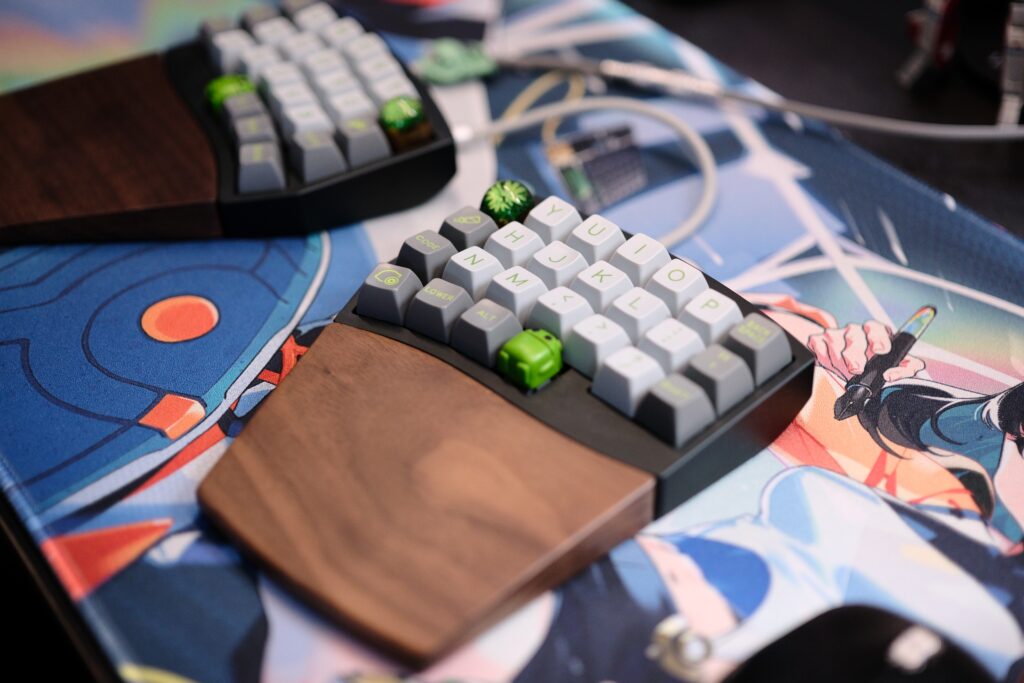
She’s begging to be typed on
As you can tell, I’m pretty hyped for the Altair’s second run. I’m especially pleased to see new color options and an optional solder PCB. At $320 and $300 for the Altair and Altair-X, respectively, it is an affordable split ergonomic mechanical keyboard that easily punches above its weight, largely due to ai03’s superb design. Honestly, I never thought I’d own a split with brass weights, and yet here we are.
So, take my word for it: if you’ve ever been curious about jumping into the world of split ergo keebs, the Altair’s second round is a great place to start. Not only is Cannonkeys a trusted shop with plenty of completed group buys under its belt, but you can also expect timely updates as the project moves from stage to stage, ensuring you’re always in the know. Yes, the Q3 2026 delivery may feel far away right now, but having already gone through a similar waiting period for my Altair-X, I can say the wait was well worth it.
Order from Cannonkeys