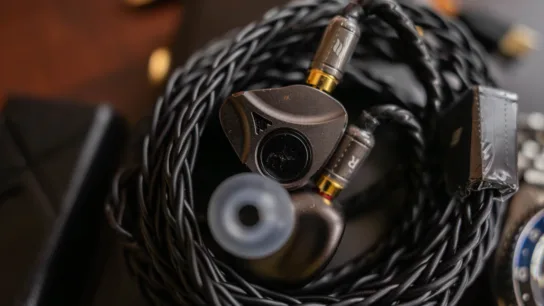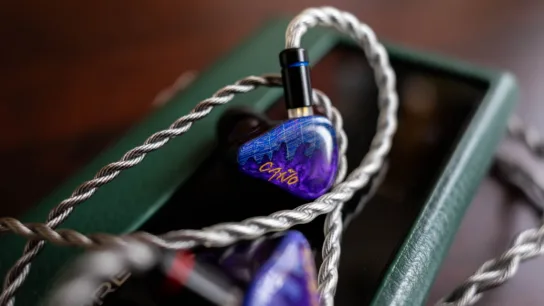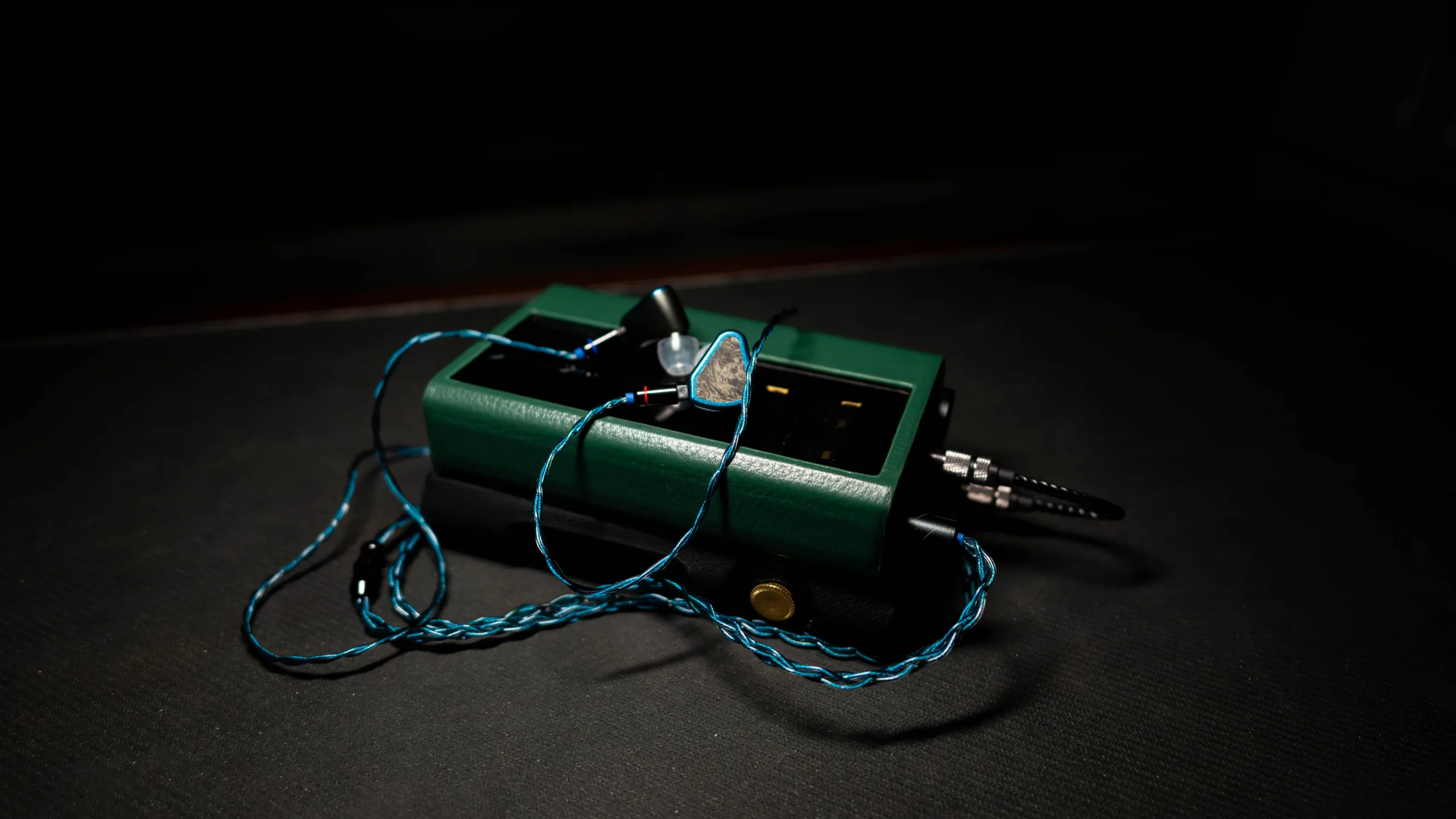

In a portable audio landscape largely dominated by Chinese manufacturers, Singaporean brands have quietly but confidently carved out their own niche, going all out with experiments that push the IEM market further. One of the flag-bearers of this niche is Symphonium Audio, which has secured a big slice of the basshead pie thanks to stellar releases like the Meteor. Today’s review is about its bigger sibling- the Titan, an IEM that I can confidently say fully lives up to its name.
Price, availability, and box content
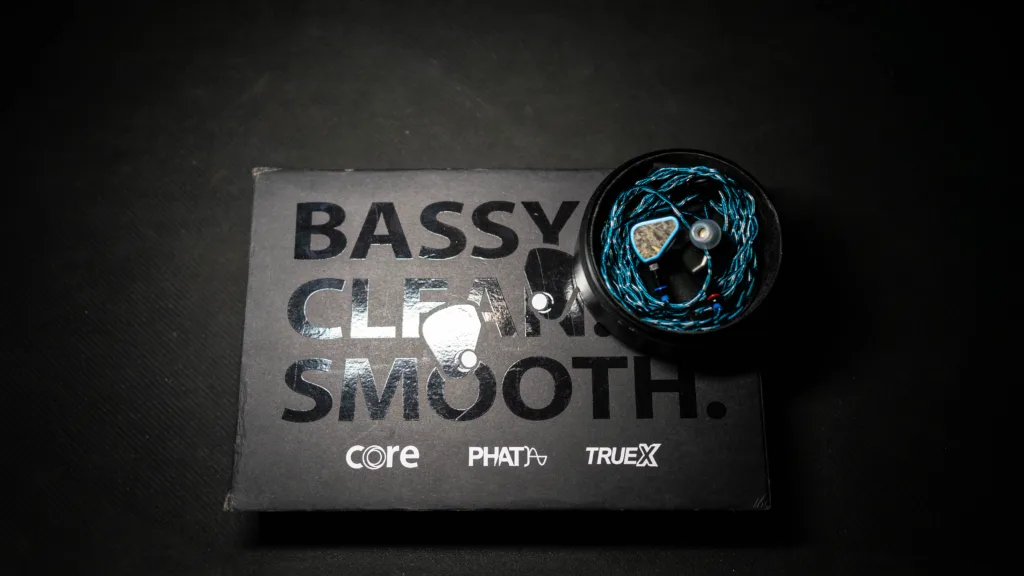
Symphonium’s packaging philosophy is distinct. The outer sleeve features a clean silhouette of the IEM on one side, while the other highlights the Titan’s intent and core tuning — most notably Phase Harmony Attenuation Technology, otherwise known as PHAT. Truth be told, it’s pretty phatastic on Symphonium’s part, given how thick the Titan sounds.
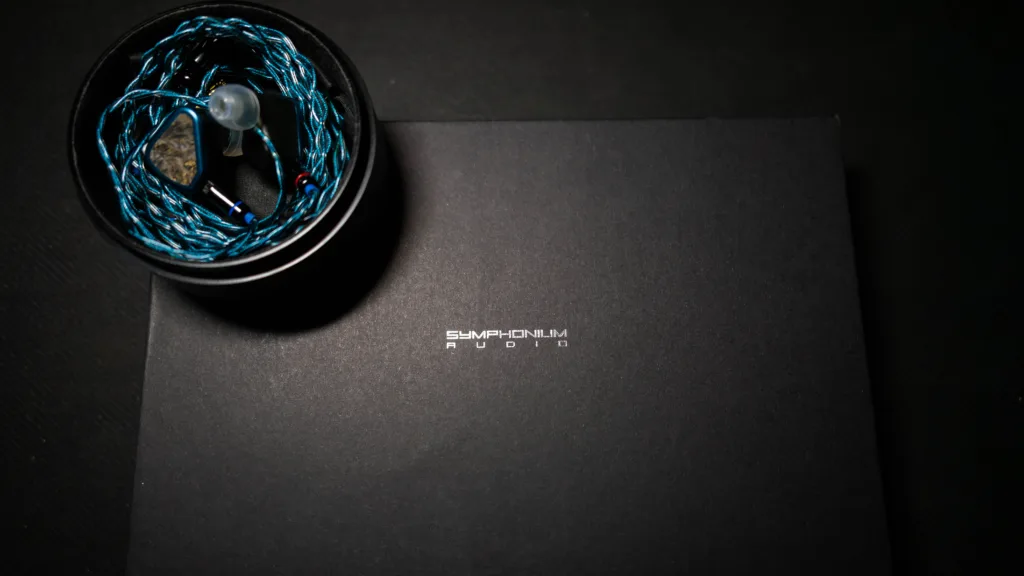
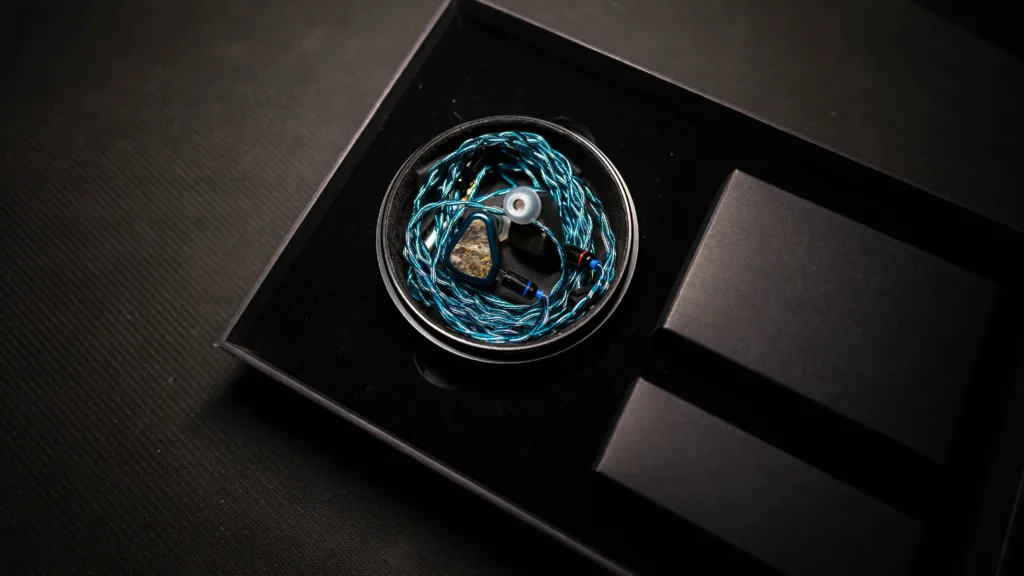
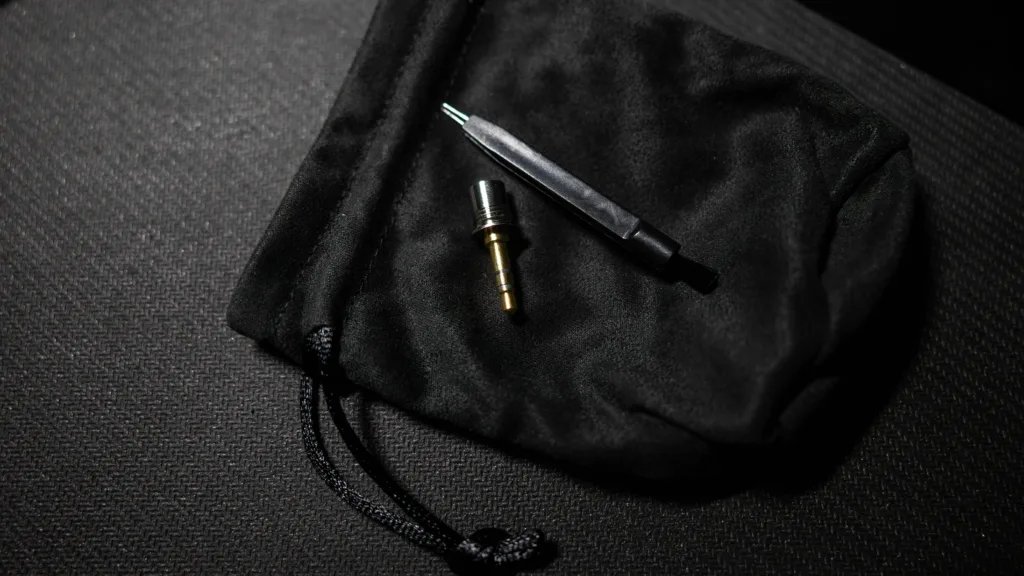
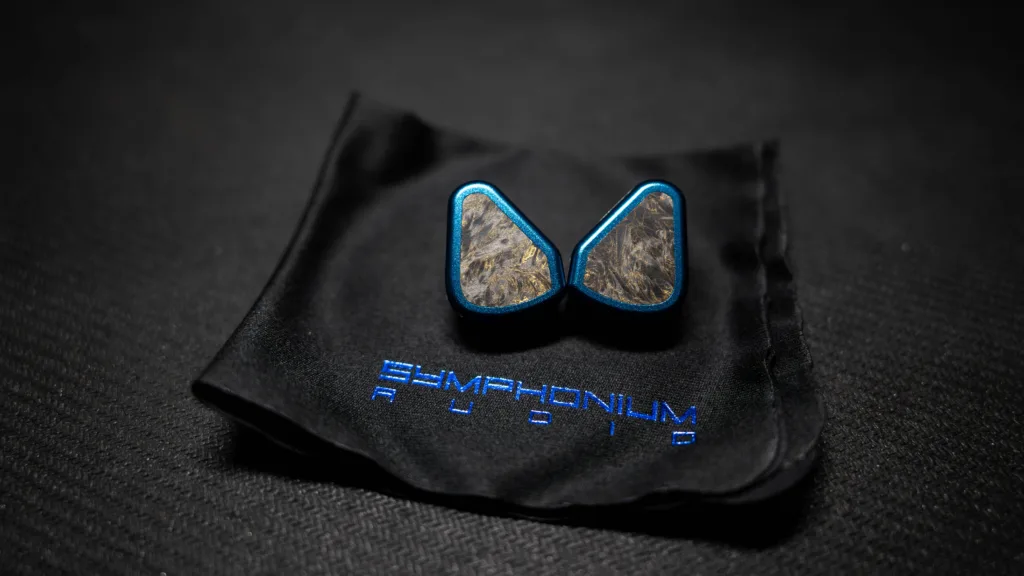
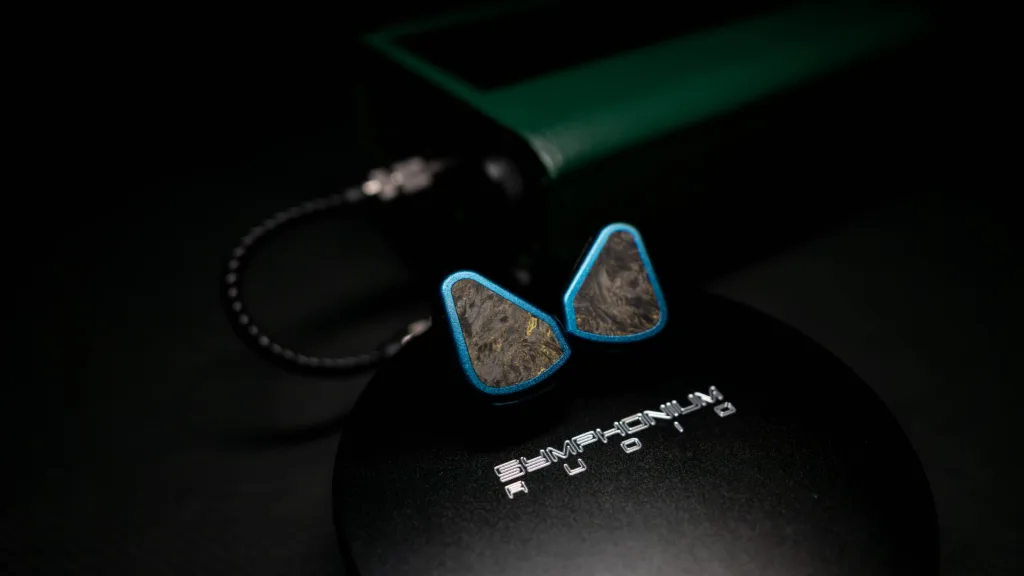
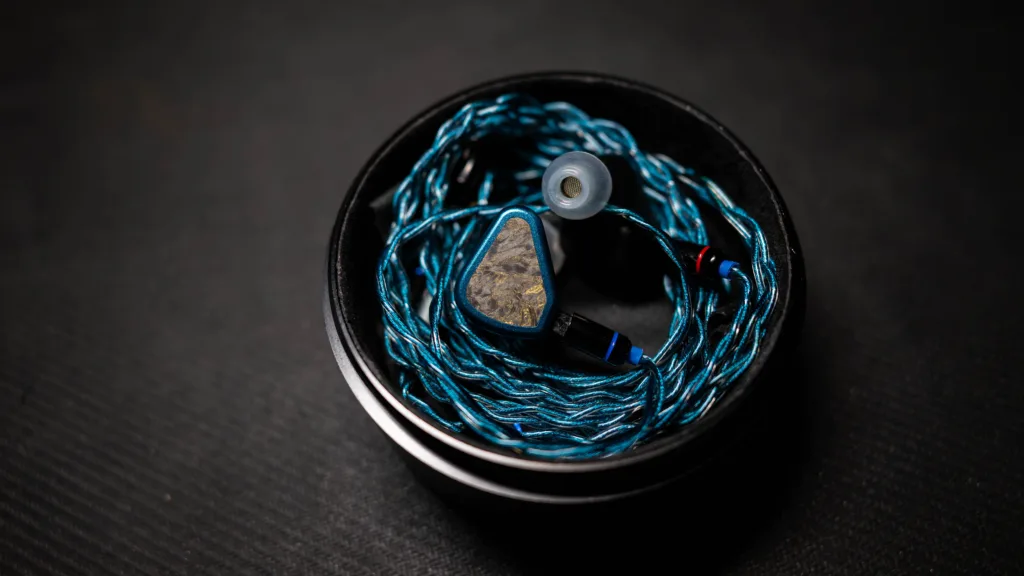
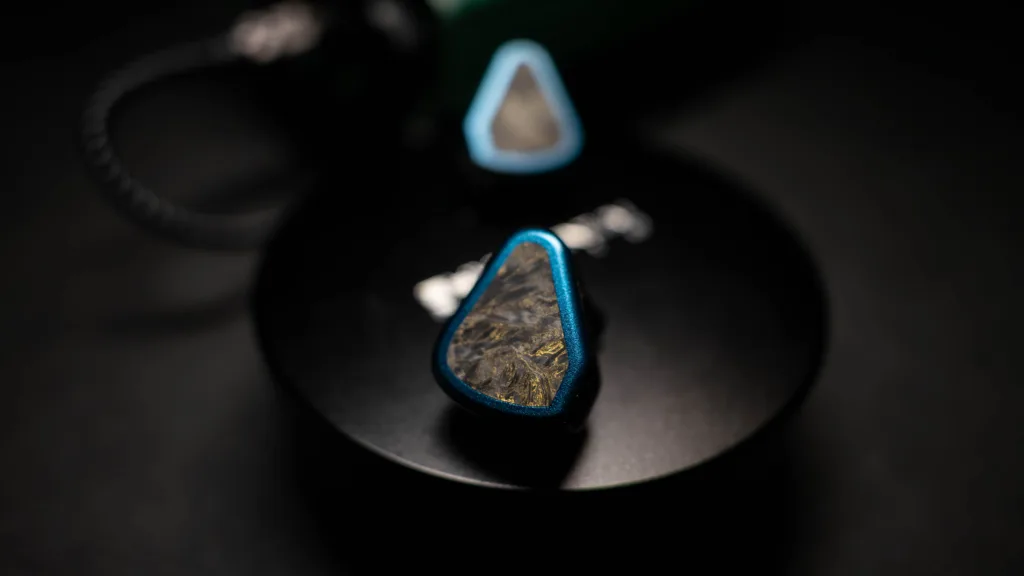
Sliding the box’s sleeve away reveals a branded inner box. Inside sits a well-built, circular metal carrying case with the IEMs neatly arranged. Two smaller boxes accompany it: one with the cable and interchangeable plugs nestled in a soft pouch, while the other includes special Acoustune eartips. A cleaning tool is also provided.
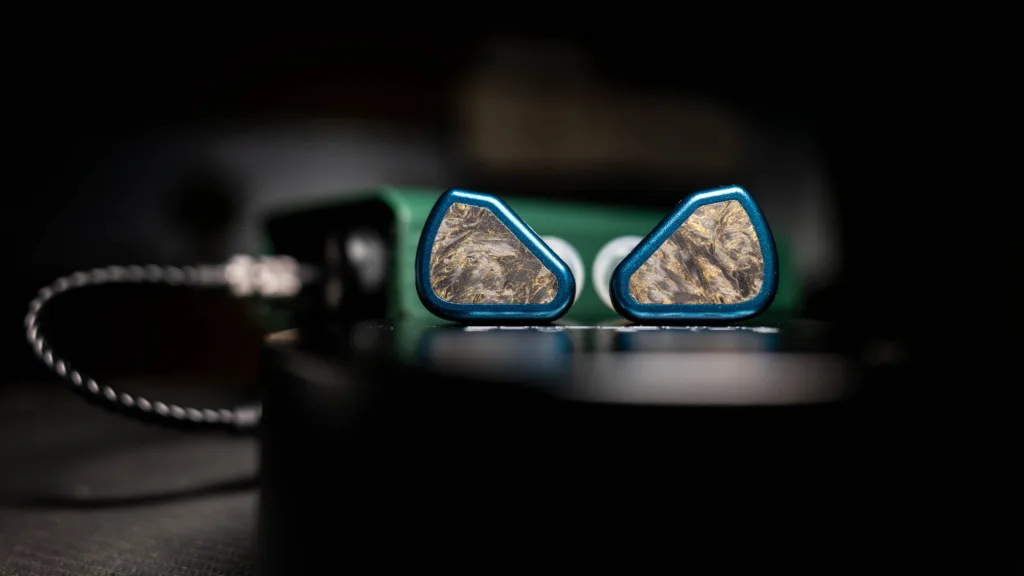
Despite the somewhat underwhelming stock cable, the Titan is incredibly comfortable. Its single 8mm dynamic driver and dual balanced-armature configuration produce zero pressure build-up, thanks to Symphonium’s proprietary CORE technology. By implementing the venting system externally, CORE reduces shell footprint, improves comfort, enhances aesthetics, and minimizes dust accumulation.
Specifications
| Driver configuration: | 1DD + 2BA |
| Driver details: | Hybrid BA + custom tuned DD in a TrueX Custom 3-way crossover |
| Sensitivity: | 105dB/Vrms @ 1 kHz |
| Impedance: | 3Ω @ 1 kHz |
| Frequency Response: | 8Hz – 24kHz, ± 2 dB |
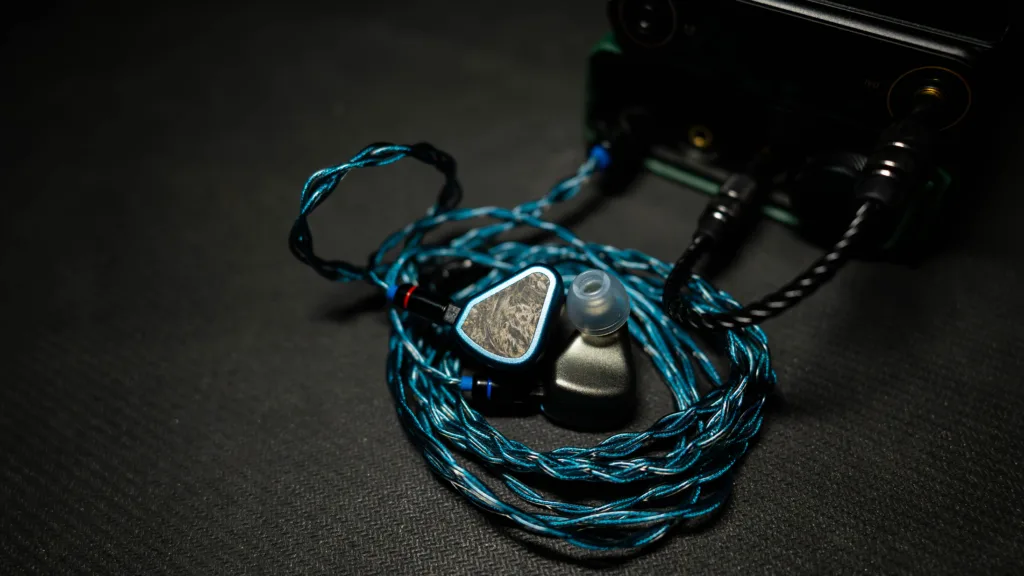
| Cable: | 25.5 AWG Pure OCC Copper Litz Neptune in 4-Wire with swappable 3.5mm and 4.4mm plugs, from Altalune Audio |
| Inline mic: | No |
| Eartips included: | 3x pairs of Acoustune AET08 (S,M,L) 3x pairs 3x pairs of Acoustune AEX07 (S,M,L) 3x pairs of Acoustune AET16 (S,M,L) |
| Case included: | Metal, screw down |
Enough chatter, here’s the sound
Lows
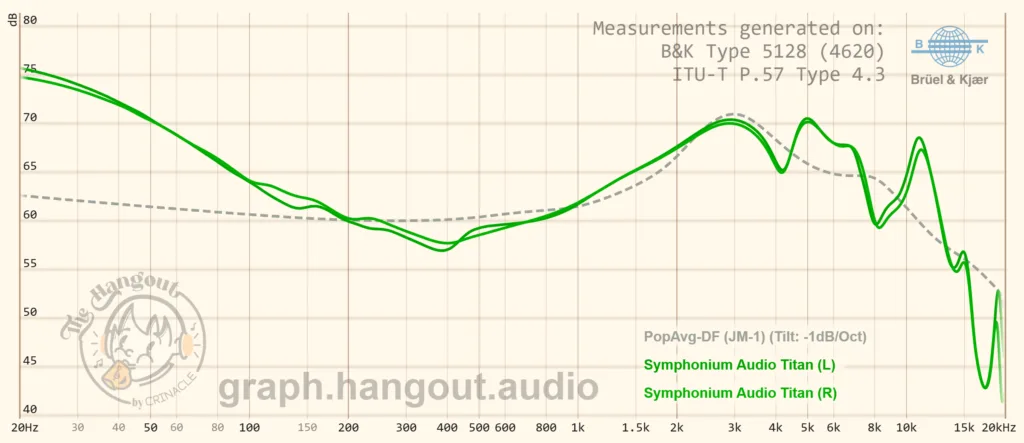
The Symphonium Titan delivers bass quantity rarely heard in IEMs, and the quality to match. Its sub-bass rumble is among the best I’ve heard, and it remains consistent across sources, albeit power-hungry, I reached for my digital audio player- the Shanling M9 Plus, stack- the M9 Plus with the iBasso PB5 Osprey portable tube amp, and my desktop source- the SMSL Raw MDA-1 DAC amp, more often than my usually reliable FiiO KA17 portable DAC amp. That aside, once properly driven, it comes alive, and oh boy, is the bass brimming with life.
On Daft Punk’s Get Lucky, Instant Crush, and Rush’s Limelight, the Titan is simply addictive. Kicks and toms hit with proper authority, extension is excellent, and bass lines grow more rewarding the longer you listen. On Limelight, I couldn’t decide what impressed me more — the growling bass line rendered with superb detail, or the sheer impact of the drums.
Punch is nimble and effortless here. On Dizzee Rascal’s Bonkers, every drop felt seismic. The Titan stopped sounding like a compact IEM and started feeling like dual subwoofers strapped to my ears. The quantity is massive, but more importantly, it’s controlled and textured. If there’s one genre it dominates without question, it’s electronica.
Mids
The only real nitpick is perceived sound stage width. It isn’t expansive, but it isn’t a deal breaker either, because everything else — tonality, timbre, imaging — is executed at a high level.
On Tool’s Pneuma and Periphery’s Marigold, the Titan maintains engagement through its visceral low-end foundation. However, the limited stage size makes cymbals and guitars feel slightly more congested than ideal. Imaging is razor sharp, so instruments lock into position with surgical precision and zero drift.
Timbre is another strength. On Phil Collins’ In the Air Tonight, the legendary toms sound full, weighted, and convincingly natural. There’s no metallic sheen, just body and realism.
Highs
Treble is where the Titan shows minor inconsistencies. It can lean towards being slightly fatiguing, though tip rolling and careful source pairing help considerably.
On Adele’s When We Were Young, vocals carry satisfying weight and presence. Tonality is excellent, vibratos have excellent timbre, and the forward positioning feels appropriate. On Celine Dion’s All By Myself, however, the Titan comes close, but doesn’t quite light the cigar. Notes lose a touch of air and weight, and this is where fatigue can creep in. It handles vibrato and dynamics well, but timbre can feel uneven depending on the recording.
On Kendrick Lamar’s Alright, cohesion is strong. Horns and cymbals integrate cleanly, background hums remain intact, and the thunderous bass foundation never overwhelms the mix. Most importantly, sibilance is absent.
Concluding notes
I enjoyed the Titan not just because it’s fun, but because of how refined and clean it sounds while delivering that fun. It thrives in electronic, RnB, hip-hop, rock, prog, funk, surf, and lo-fi, where its sub-bass authority, punch, and sense of drive truly shine. It feels less at home with classical, orchestral, jazz, blues, metal, and indie, where wider staging and a more relaxed treble presentation become more critical.
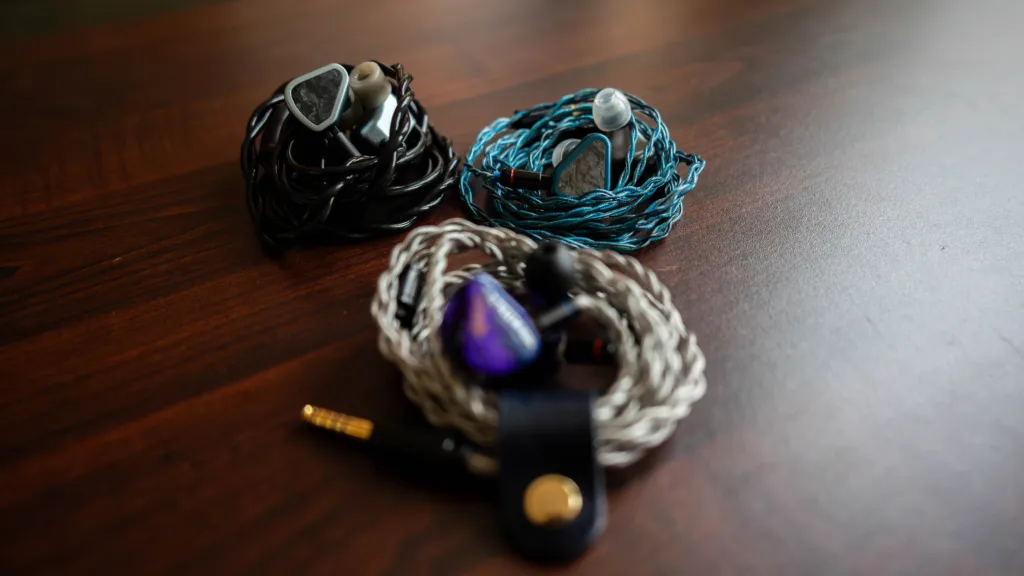
The Titan is so refined in what it does; it makes other offerings from Symphonium Audio like the Giant look like a phat, bloated mess. But, if I were to compare it with the Symphonium Meteor, then it’s a toss-up of preference- Meteor excels in its mid-bass surge, while Titan is a sub-bass behemoth. However, to my ears, the latter is the better pick. But this doesn’t mean the Meteor is a bad IEM.
The Titan also made me question the retail value of an IEM I really adored — the FatFreq Maestro — because it delivers everything the Maestro does, and it does so substantially better. It shows the established players in the Dunu DaVinci and Punch Audio Martilo that the big leagues are the domain of thoroughbreds; the Titan is simply a champion in that regard.
A lot of IEMs attempt this juggling act between impact and composure and often stumble somewhere along the way or in entirety, but the Titan doesn’t. It sounds explosive when needed, yet stays controlled throughout. The retail price feels justified.
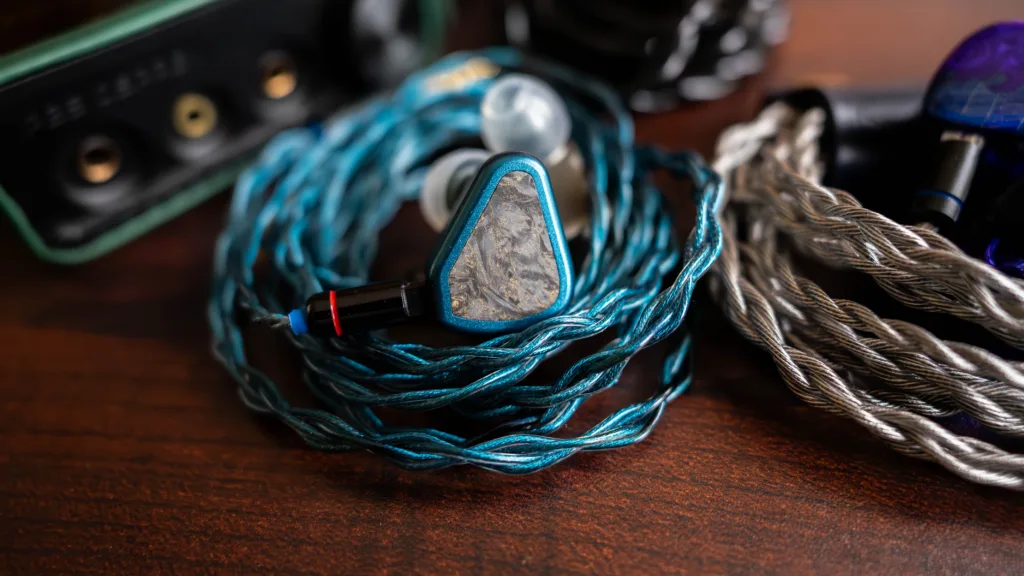
Symphonium genuinely deserves credit for retaining such a compact shell. A lot of brands are pushing larger, bulkier designs, and many listeners simply can’t accommodate them in their ears. Smaller IEMs like the Titan are becoming increasingly rare, especially at this performance level, and that alone makes the IEM stand out, and unlike Sennheiser’s IE line-up, the connectors or drivers don’t fail.
The Titan doesn’t pretend to be a hyper-analytical reference tool. It promised engagement and delivered in seismic waves. What I didn’t expect, however, was the sheer level of refinement layered beneath that fun. I found myself unwilling to take it off my ears, not just because it was entertaining, but because it was genuinely satisfying to listen to. That combination of fun, refinement, and comfort is difficult to pull off, and the Titan does it confidently.
Will I buy it at retail? Absolutely
Will I buy it used? Blind buy
Pros
- Massive yet controlled sub-bass authority
- Clean, natural timbre across mids
- Razor-sharp imaging precision
- Excellent punch and slam
- Compact, highly comfortable shell design
- Strong technical refinement for a fun-leaning, unorthodox tuning
Cons
- Soundstage width is moderate
- Lower treble can lean fatiguing on certain recordings
- Power-hungry and scales significantly with amplification
- Moderately source dependent- especially in terms of tonality
- Stock cable is underwhelming
Eartips (in descending order of performance, i.e., best first)
| Spinfit W1: | Takes the Titan to the next level by refining the sub-bass rumble further, widening the stage, smoothens the fatigue out to an extent, makes vocals sound significantly richer |
| Acoustune AET08: | Puts primary emphasis on vocals, improves instrument separation marginally, shrinks the stage slightly and leans the bass quantity |
| Dunu S&S: | Keeps the stage intact but tightens up the perceived sub-bass speed slightly, slightly worsens imaging, fatigue creeps in minutely on higher frequencies |
| Final E: | Makes the Titan sound veiled, increases mid bass quantity, shrinks the stage, separation takes a major hit |
| Tangzu Sancai Balanced: | Makes the Titan sound bloated and incoherent, vocals feel too lean |
| OEM | Product | Price |
| Symphonium Audio | Titan | $999 |
The Symphonium Audio Titan delivers thunderous bass with discipline and refinement, turning fiercely engaging when properly powered. A modest stage and flashes of treble bite keep it from perfection, but its pursuit of excitement is bold, determined, and very satisfying.
Sources used:
SMSL Raw MDA-1 desktop DAC; Shanling M9 Plus in high gain; iBasso PB5 Osprey stack; FiiO KA17 in high gain; TRN Blackpearl in high gain