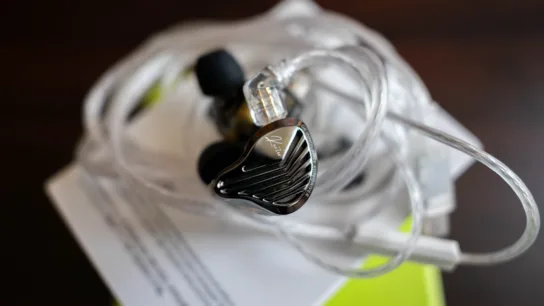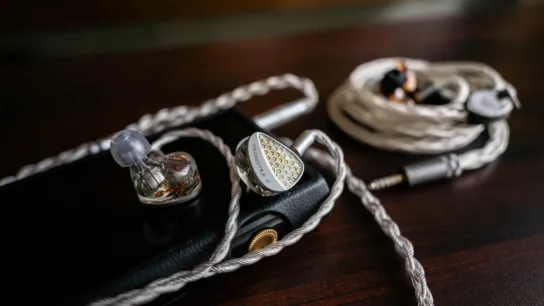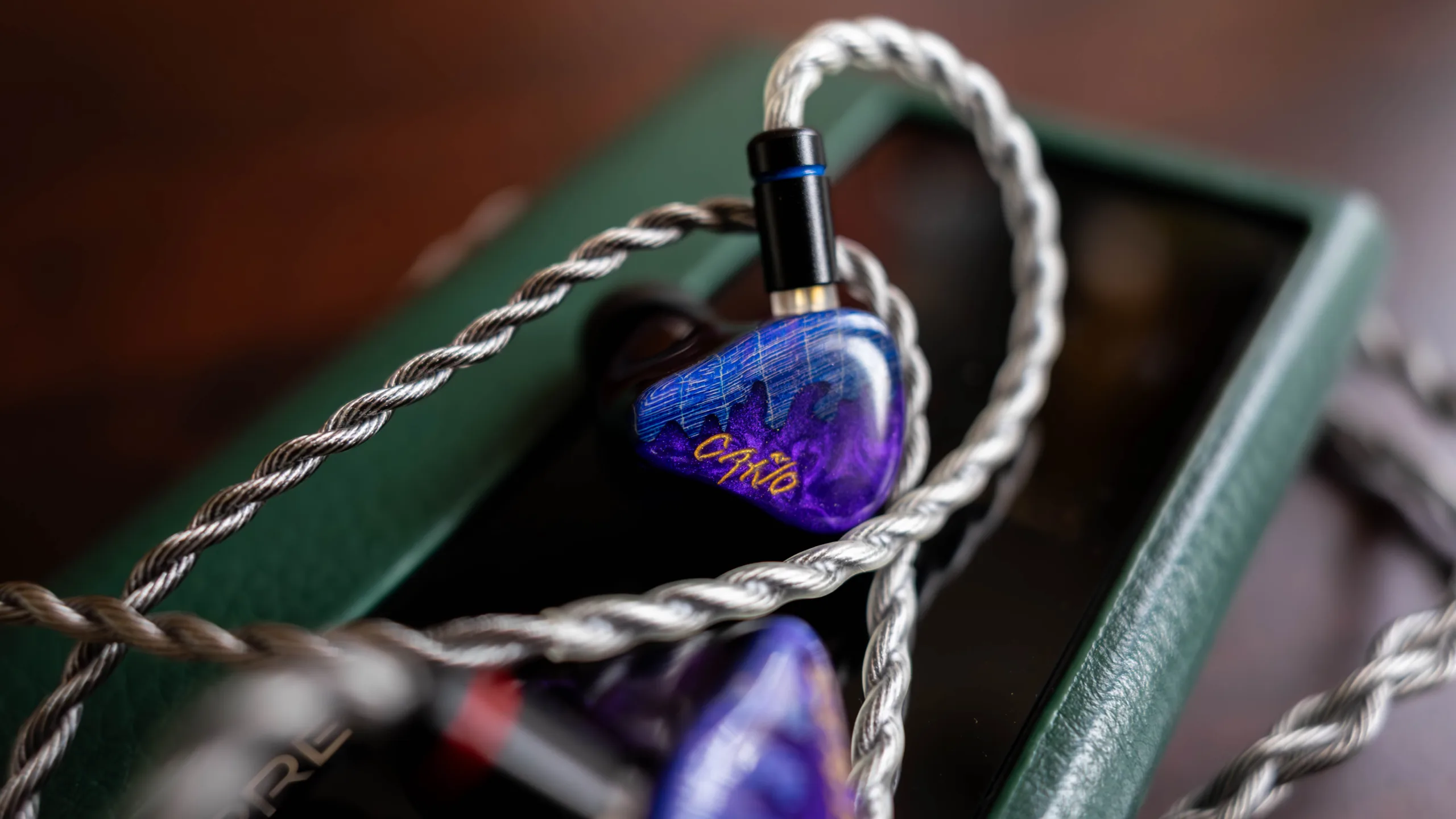

HiSenior is a company named like an overused phrase at a high school reunion, but in the Chi-Fi audio scene, it’s recently ascended to fan-favorite status. The brand is behind some wildly popular releases, like the Mega5EST, which is heralded as one of the best JM-1-style “meta” tuned IEMs. That said, it’s not the product in focus today — because I’m currently testing an IEM from HiSenior that never quite received the appreciation it truly deserved: the Caño Cristales.
Price, availability, and box content
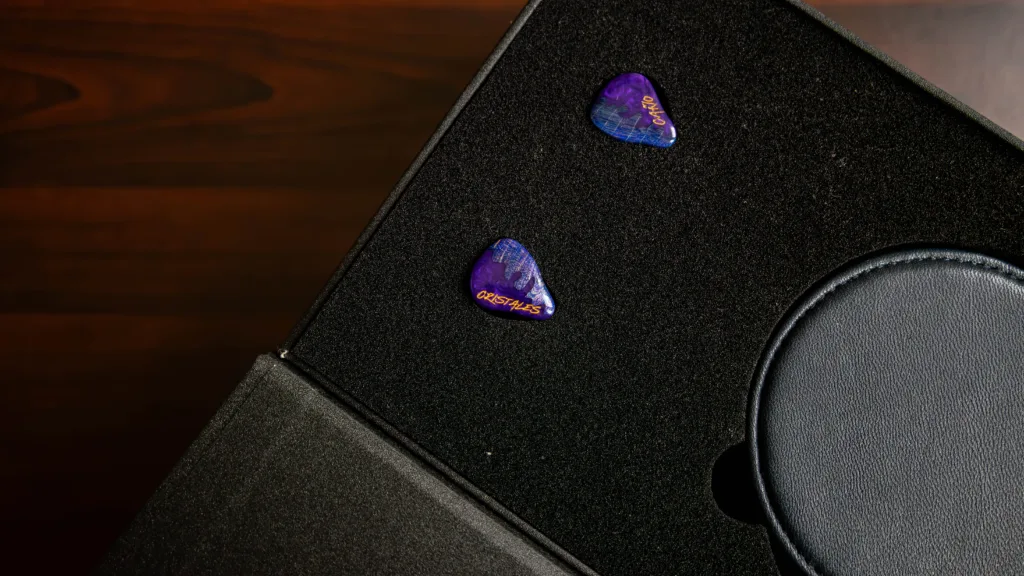
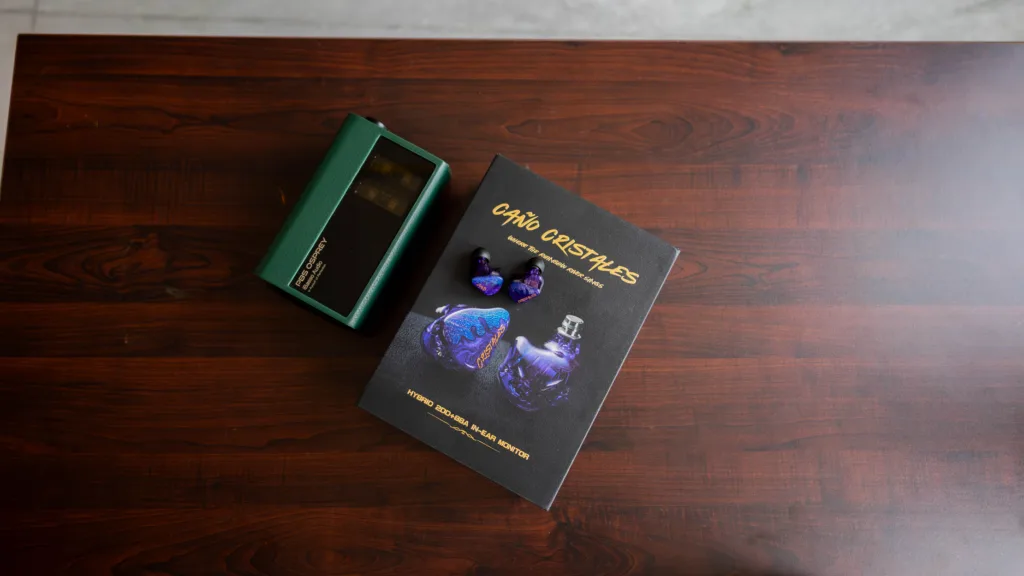
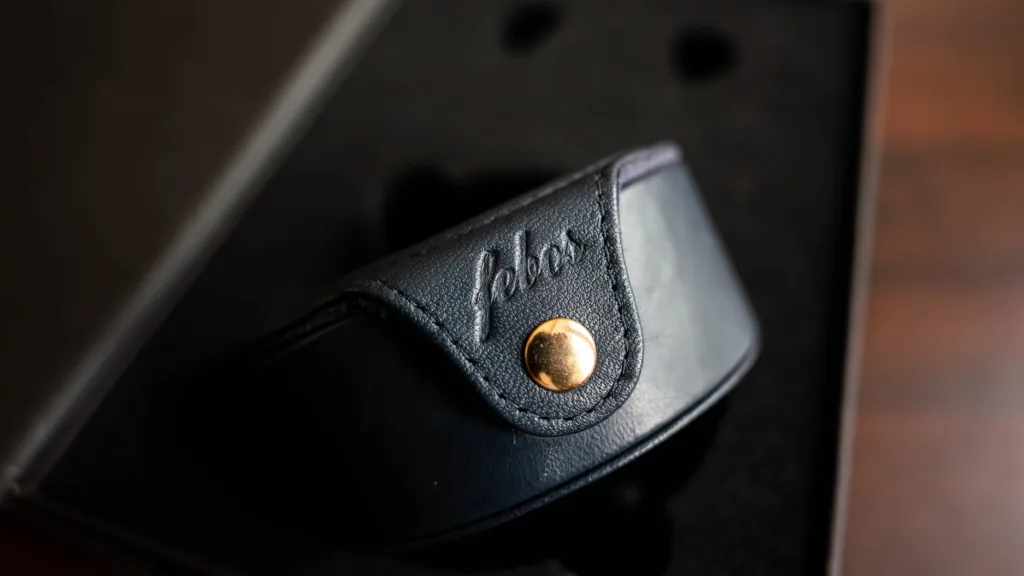
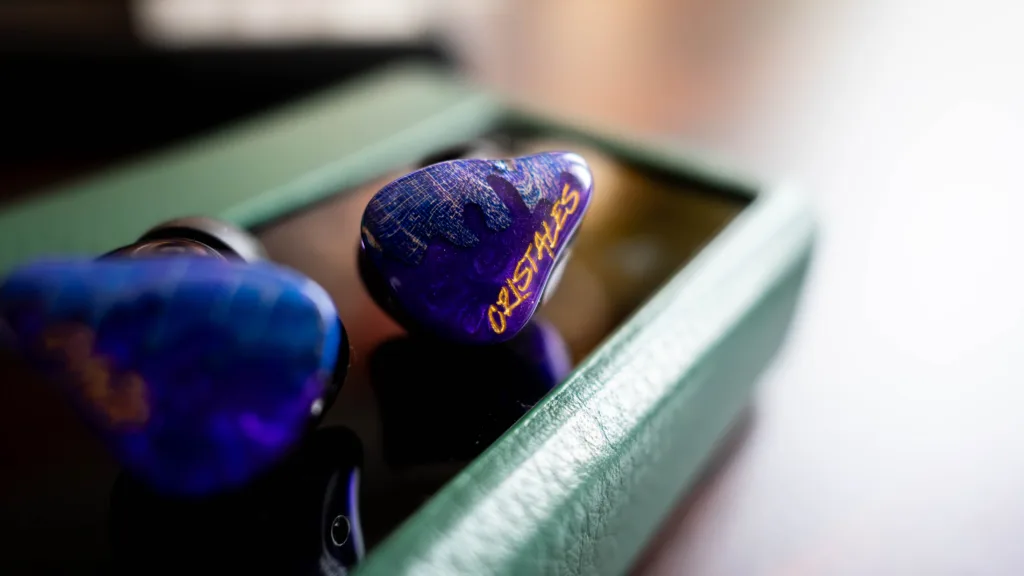
After I removed the cover emblazoned with the product name in a rather aggressive font, I lifted the lid to find the IEM’s shells nestled gently in a foam-padded chamber, with the circular carry case underneath. The case feels nice in the hand, but the quality is somewhat flimsy. It offers a standard FEBOS branding, which stands for “Feel the beauty of Sound,” — which just so happens to be HiSenior’s former brand name.
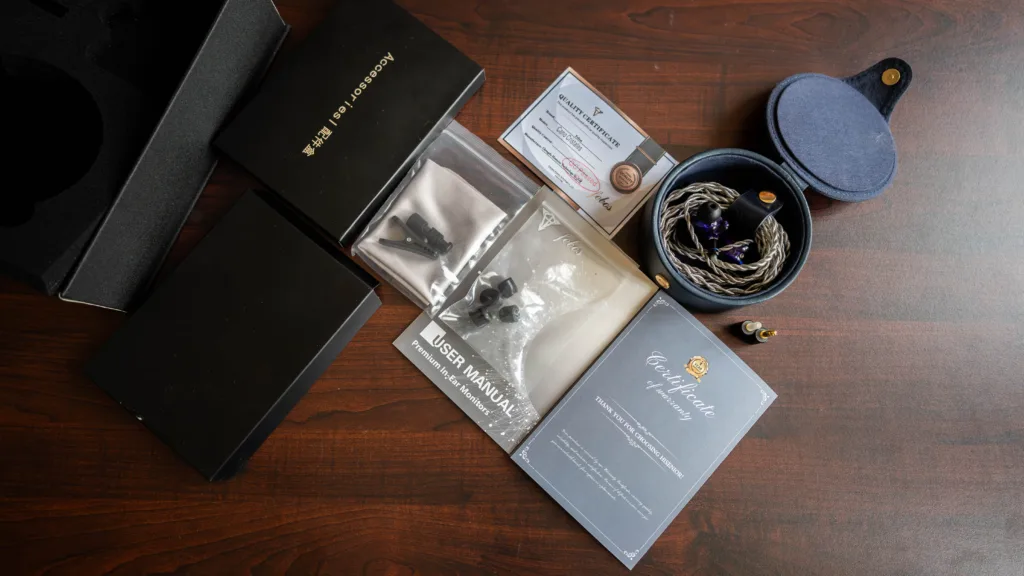
As I lifted the foam-padded chamber out of the box, I found a smaller box labelled “accessories”- packing foam eartips, a lapel clip for the cable, a fine HiSenior-branded cleaning cloth, and standard company paperwork.
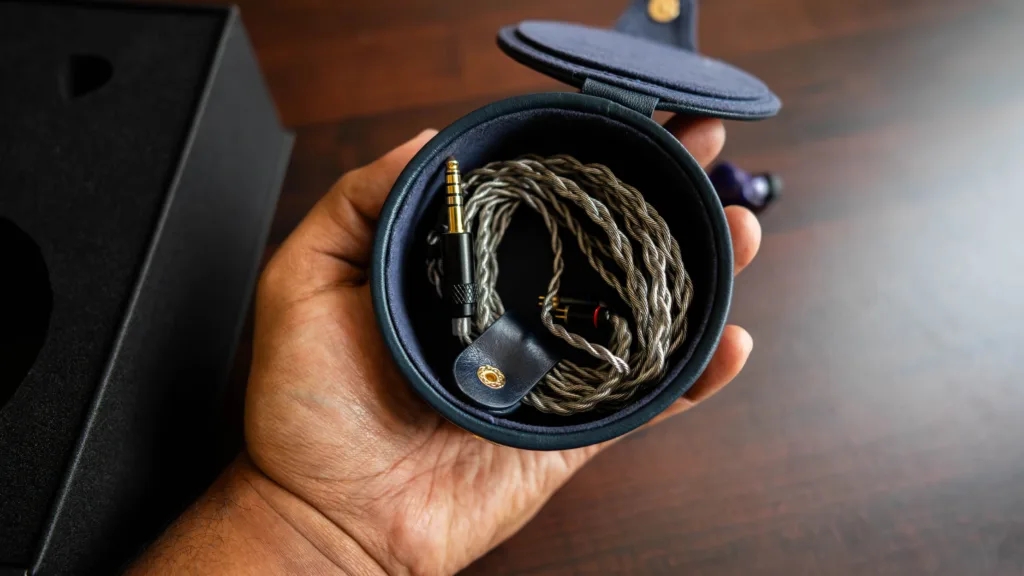
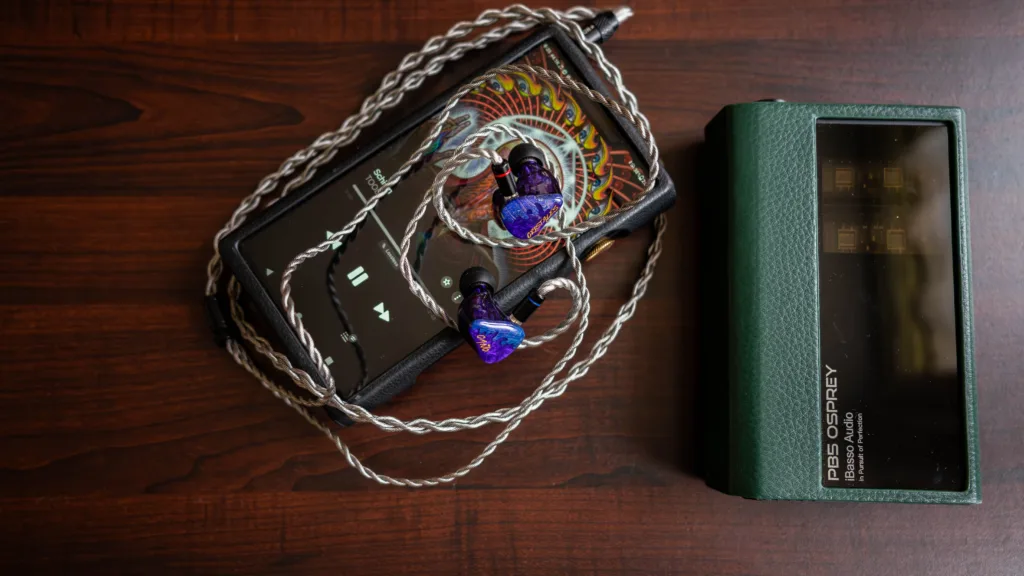
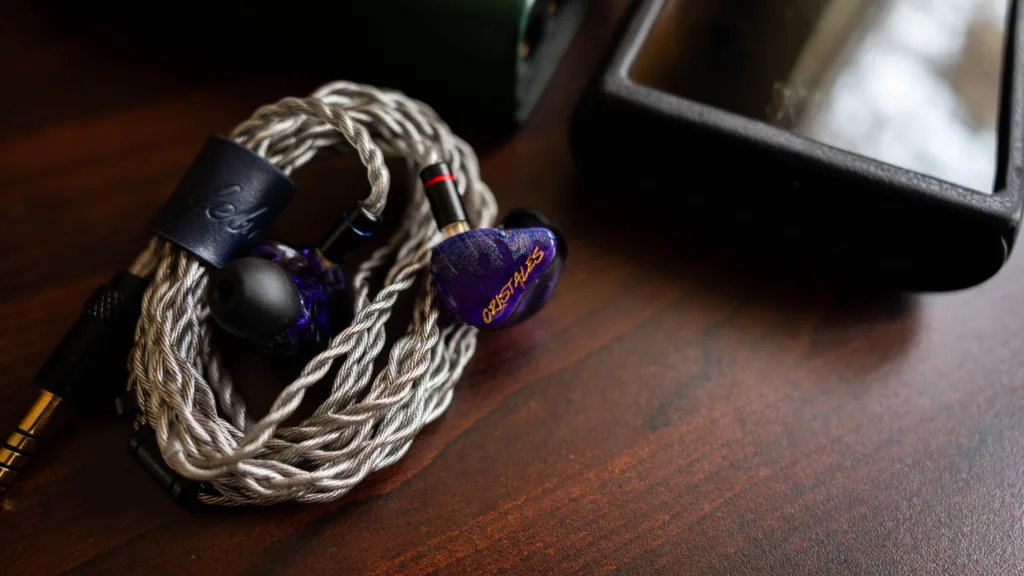
The cable feels very nice in hand and is easily recognizable as an off-the-shelf bit from OpenHeart. It makes fantastic cables for IEMs and headphones, usually available on AliExpress. This supplied cable, moreover, is modular and comes with interchangeable 2.5mm, 3.5mm, and 4.4mm terminations held in place by a screw-down mechanism.
Specifications
| Driver configuration: | 2 DD + 8 BA |
| Driver details: | (custom co-designed Bellsing 28U series) + (Knowles SWFK) |
| Sensitivity: | 113dB/mW |
| THD: | 0.5%±0.1% |
| Impedance: | 15Ω |
| Frequency Response: | 10Hz-40Khz |
| Cable: | 0.78mm 2-pin type B connectors and interchangeable 2.5mm, 3.5mm, and 4.4mm jacks |
| Inline mic: | No |
| Eartips included: | 3x pairs of balance Silicone Eartips (4.5mm S, M, L) 3x pairs of Bass+ silicone Eartips (3.8mm S, M, L) 6x pairs of Soft Balance silicone Eartips (4.5mm S, M, L) 2x pairs of foam Eartips (4.9mm M) |
| Case included: | Leather, buttoned |
Sound: No more preamble
Lows
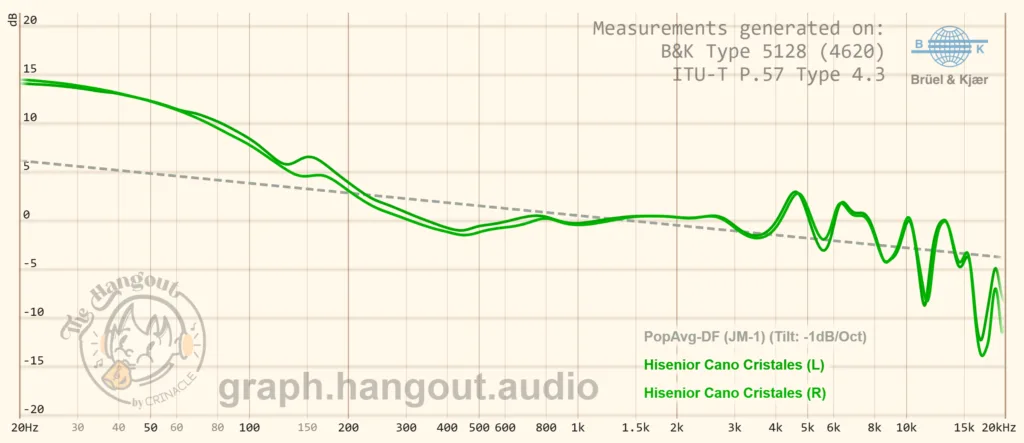
The HiSenior Caño Cristales is a juggernaut with both the quantity and quality of its bass. It swings and hits like a sledgehammer, and despite the impact, there is no compromise in quality.
In tracks like Daft Punk’s Instant Crush and Get Lucky, the Caño Cristales makes the entire bassline ripple, soar, and crash like a tsunami — but unlike an actual tsunami, it doesn’t wreak havoc or spill into the rest of the frequencies. There is no smudging of detail, tonality doesn’t drop or turn wonky, and depending on the source, it can shift in bass quantity.
I found the bass marginally reduced when paired with my digital audio player, the Shanling M9 Plus, but on the Fiio KA17 DAC, the intricacy of the bass lines in both tracks became more apparent while the quantity saw a bump, as though I was standing front and center in a studio — kick drums, toms, and bass firing off in front of me, textured and controlled. In Rush’s Limelight, the Caño Cristales reveals another strength while rumbling intensely — speed. Geddy Lee’s visceral notes and plucks sound heavy, yet move swiftly. I genuinely second-guessed what I was hearing because, on paper, the driver configuration wouldn’t suggest the lows would be this snappy. Admirably, these IEMs don’t skimp on detail.
Mids
The Caño Cristales has its share of strengths and weaknesses in the midrange, most notably a congested stage that taints instrument separation, quite unlike the lower frequencies.
In Tool’s Pneuma and Periphery’s Marigold, the Caño Cristales checks most boxes — impressive tonality and competent timbre, especially in how toms and cymbals are rendered. The sore thumb in this otherwise beautiful presentation is the congestion. Despite its convincing performance, separation is better done by rivals. Guitars sound lush and weighted, and tonality remains excellent and natural.
This congestion becomes more apparent in The Woven Web and by Animals as Leaders and Message in a Bottle by The Police, where the cymbals don’t carry the same clarity or separation as the lows. And that lingering doubt remains — that the Caño Cristales simply doesn’t hold up once I start dissecting dense, layered tracks.
Highs
Saying the Caño Cristales handles vocals impressively wouldn’t be an exaggeration despite its heavy bass-first signature. Vocals sound magnificent and forward, gaining proper prominence without strain.
In Bonnie Tyler’s Total Eclipse of the Heart and Celine Dion’s All By Myself, the presentation never fatigues. It doesn’t sound constrained or shrill. Extensions soar high, and peaks are executed smoothly. Pitch shifts and vibratos carry convincing weight, timbre remains impressive, and tonality stays planted. Importantly, the lows never overshadow the vocals.
In Kendrick Lamar’s Alright, the Caño Cristales maintains cohesion between horns and cymbals while background vocal hums remain present and focused. The lows thunder through confidently all along, reinforcing what feels like a complete redemption arc.
Concluding notes
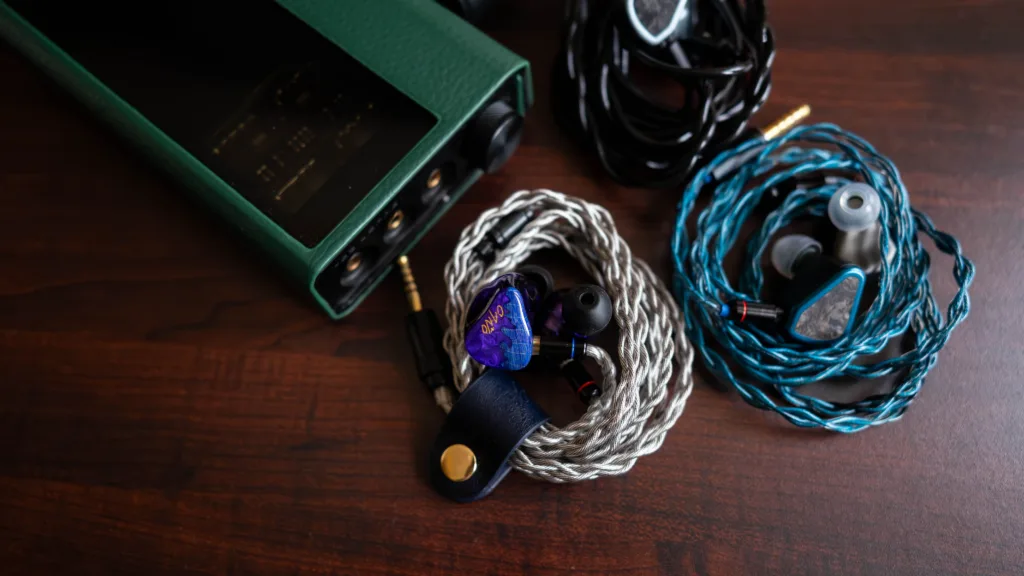
After firmly establishing itself with the near–cult status of the Mega5EST and the new Mega7, HiSenior has delivered a sleeper bass cannon in the Caño Cristales — and surprisingly, it is not a one-trick pony. It thrives in rock, hip-hop, RnB, pop, and EDM, where impactful lows, strong vocal presence, and rhythmic drive elevate the experience. That said, it is less convincing with jazz, classical, orchestra, progressive rock, and metal, where wider staging, air, and sharper instrument separation benefit the sound.
A wider stage and slightly stronger instrument separation would have elevated it further, but even as it stands, it competes strongly against bass-focused rivals like the FatFreq Deuce and the Punch Audio Martilo.
If maximum bass without bleed is your goal, I would point toward the Martilo. But if one wants a bass-heavy tuning that balances impact with comfort and composure, I wholeheartedly recommend the Caño Cristales.
Compared to the Deuce, the Caño Cristales improves incrementally across the board. The Dunu 242 and its more affordable sibling, the 142, may appeal more to those who prioritize stage and separation. However, it clearly outperforms the DaVinci.
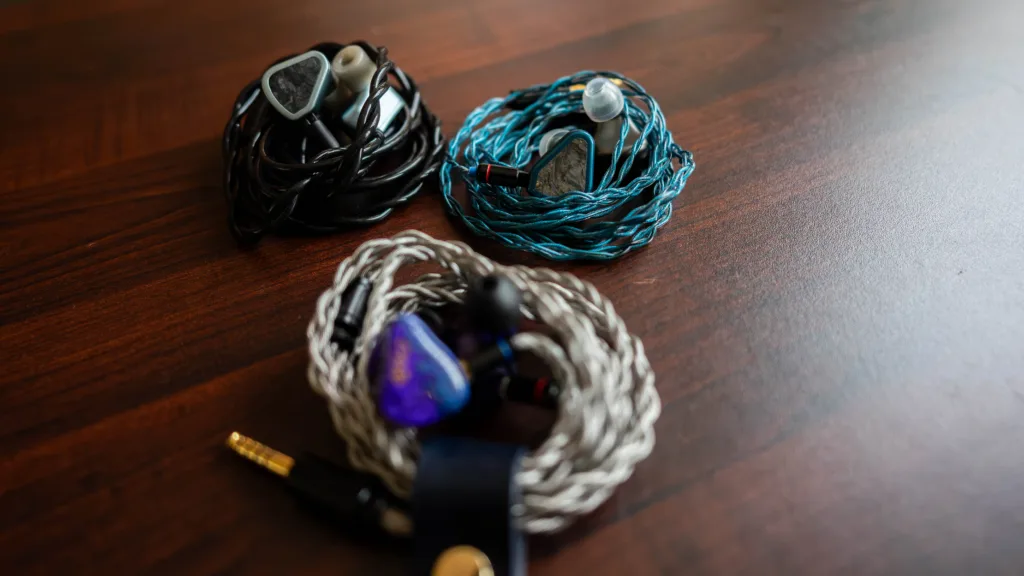
Against IEMs like the Symphonium Meteor and its larger sibling Titan, the difference becomes more apparent — this is where increased spending yields significantly higher rewards. But compared to the Symphonium Giant, the Caño Cristales is a better pick.
Will I buy it at retail? Absolutely, yes.
Will I buy it used? Blind buy.
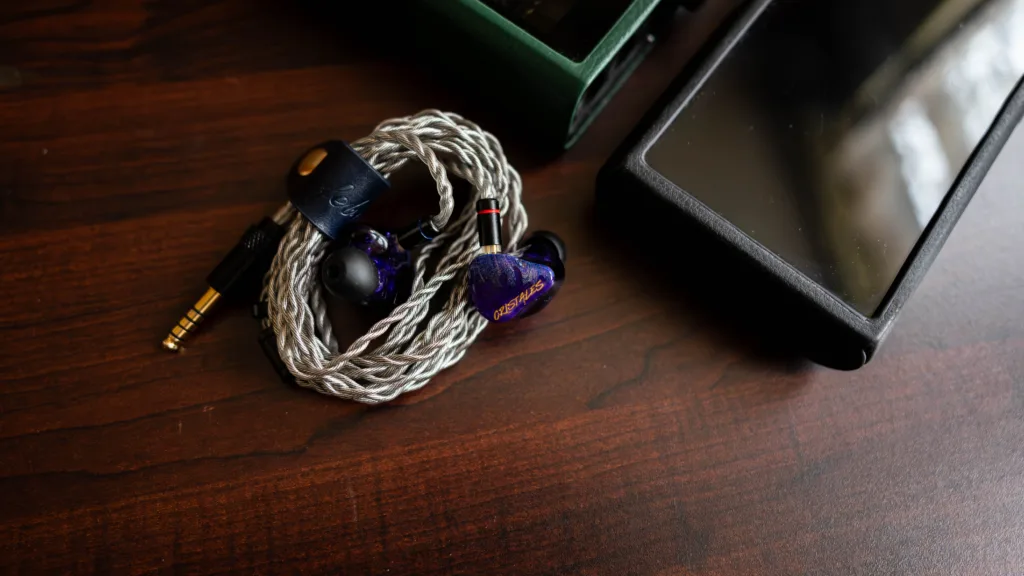
Pros
- Authoritative, hard-hitting bass performance
- Surprisingly nimble transient response for its configuration
- Forward, expressive vocal presentation
- Natural timbre with solid tonal balance
- Strong engagement with modern, rhythm-driven genres
Cons
- Noticeable midrange congestion in busy tracks
- Stage lacks width and openness
- Separation trails similarly priced competitors
- Performance shifts depending on source pairing
- Stock earhooks may cause long-session fatigue
Eartips (in descending order of performance, i.e., best first)
| JVC Spiral Dots: | Bass tightens up and becomes powerful in impact, midrange opens up, treble feels smoother |
| Final E: | Provides a significant jump in bass quantity, midrange feels veiled, treble roll-off is more prominent |
| Spinfit W1: | Washes the bass off in favor of giving the midrange enough forefront, treble gains a lot of brightness |
| Moondrop Spring: | Makes the whole sound feel dead instead of punchy, the bass impact is lost, tonality feels wonky, and the treble becomes fatiguing |
| OEM | Product | Price |
| HiSenior | Caño Cristales | $400 |
HiSenior aimed high with the Caño Cristales, and the ambition largely pays off. Its bass is forceful yet controlled, and the vocals carry weight without strain. Stage width and separation hold it back when complexity rises, but for modern, rhythm-driven genres, it ultimately proves itself a serious contender.
Sources used:
FiiO KA17 and TRN Black Pearl DACs in low gain, FiiO K5 Pro and SMSL Raw MDA1 desktop DAC in medium gain, Shanling M9 Plus DAP in turbo mode