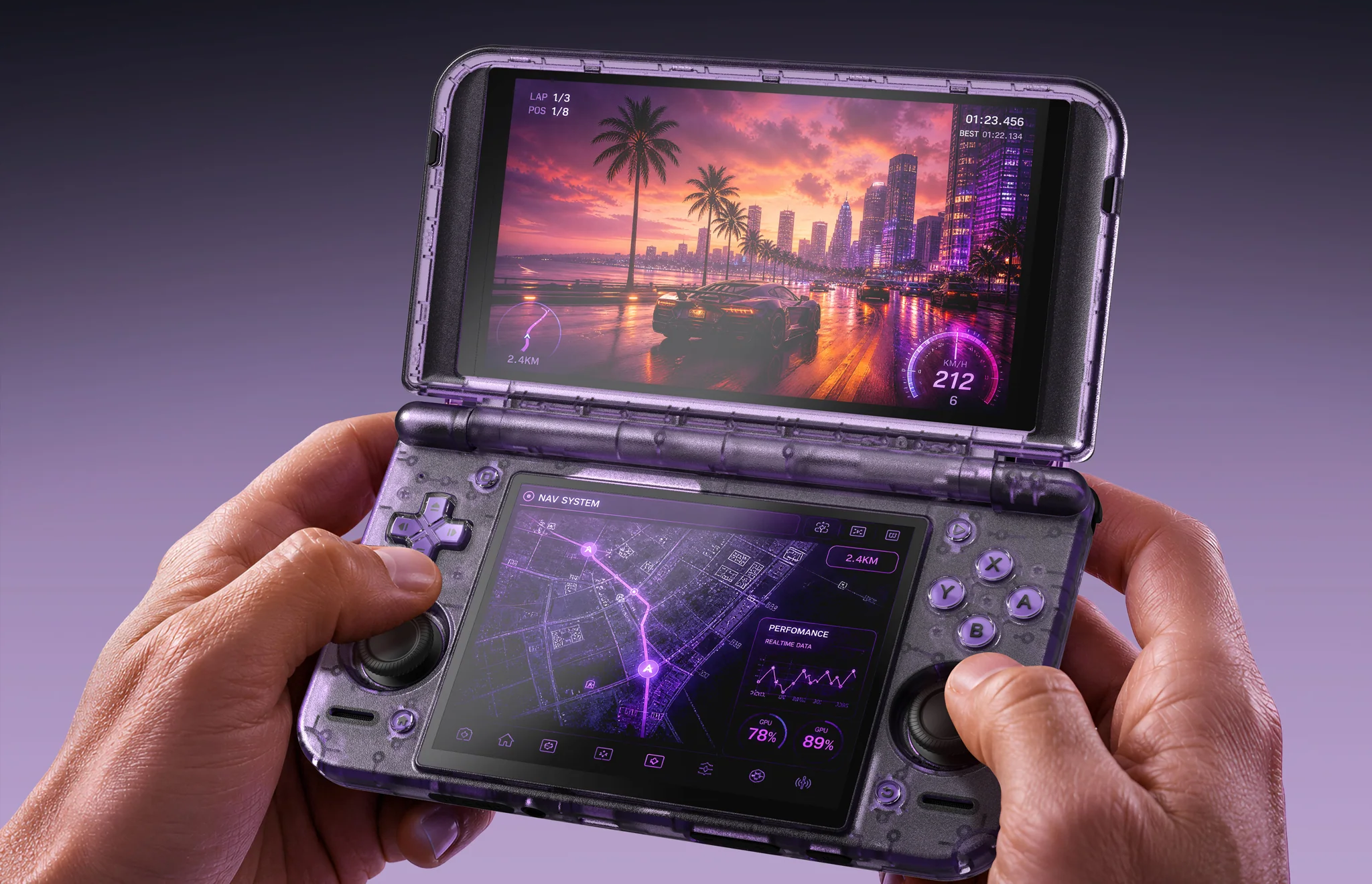

The AYN Thor has been dominating the retro handheld space as far as dual-screen devices are concerned, and after the Thor went through several price hikes, people have been waiting for another company to step up and release a more affordable option.
Which brings us to the Retroid Duo, a dual-screen handheld made by AYN’s sister company, Retroid. Even though the Thor is finally getting some much-needed competition, Moorechip, AYN and Retroid’s parent company, still have a monopoly on the high-end dual-screen handhelds.
That said, there are enough differences between the Retroid Pocket Duo and AYN Thor to justify picking up the Duo as your primary dual-screen handheld, so let’s jump into the details.
Clear upgrades
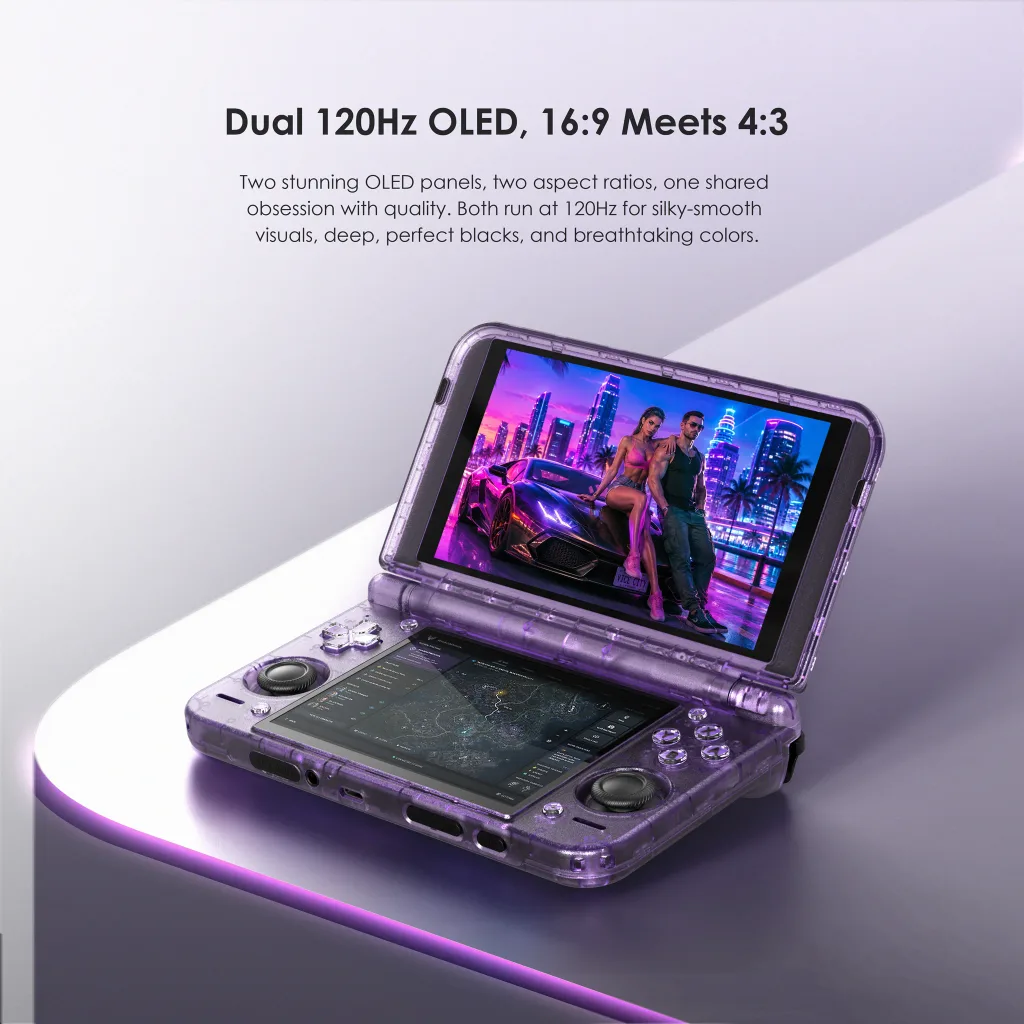
Dual 120Hz OLED screens
Source: Retroid
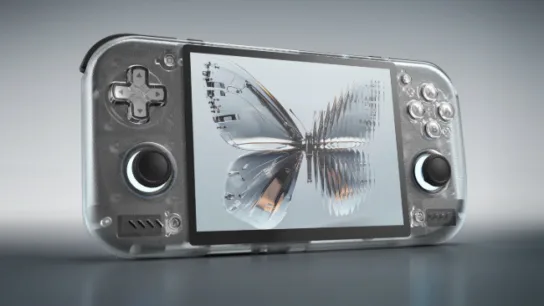
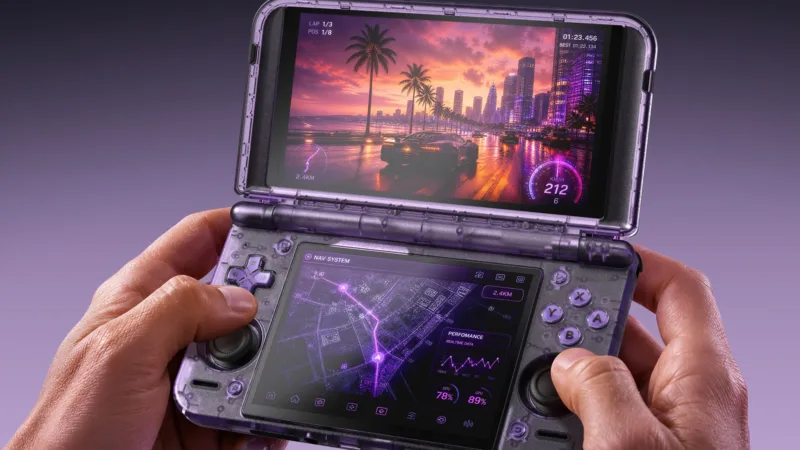
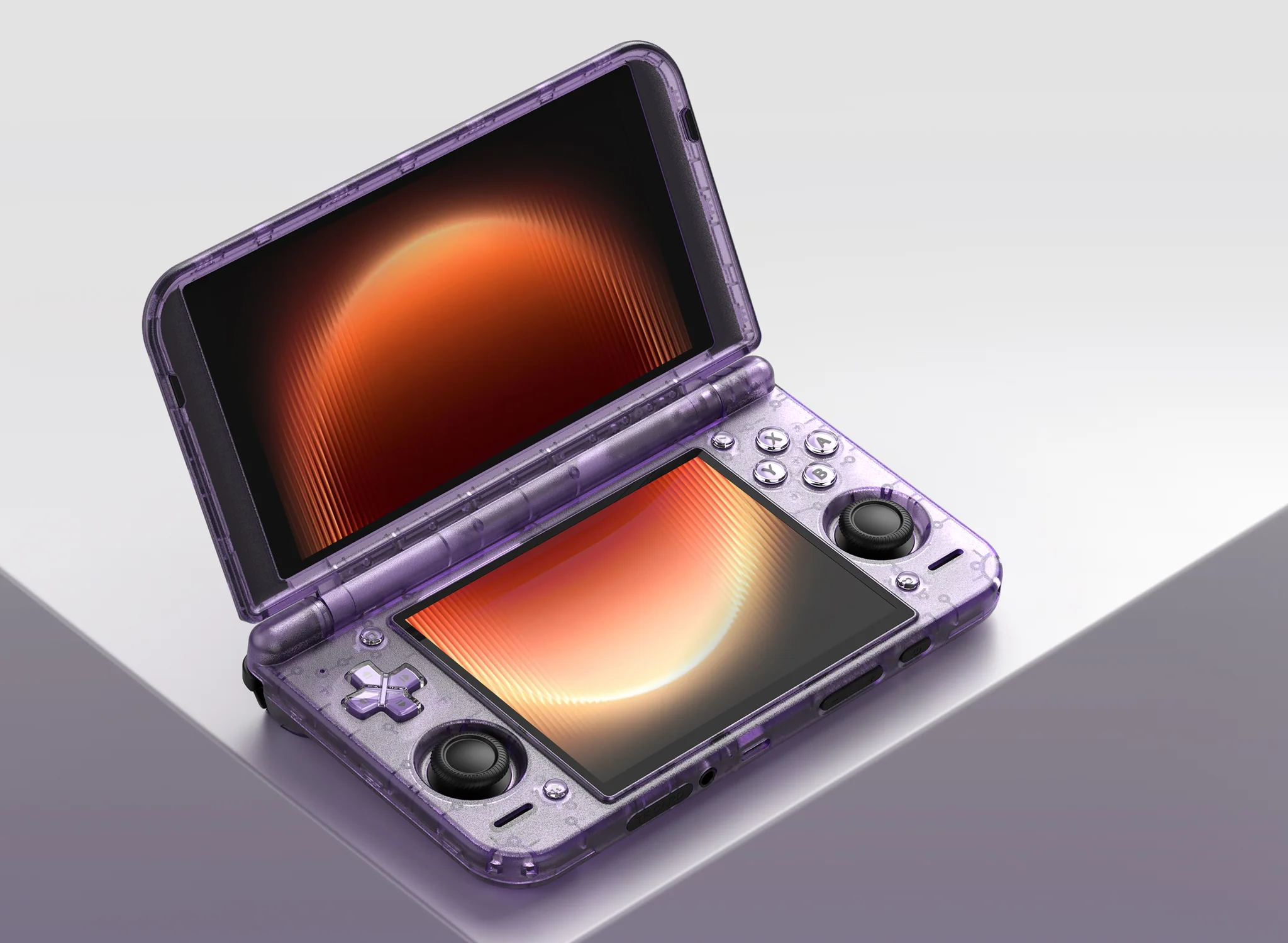
Offering two OLED screens is already a premium experience and a massive upgrade from the TN and IPS screens found in the various 3DS systems, but having both of those screens run at 120Hz is a pretty big selling point even when compared to the AYN Thor, which had some serious screen-tearing issues on the bottom screen when using 120Hz for the top screen.
The bottom screen’s 4:3 aspect ratio gives the Duo another big advantage, since the bottom screen for 3DS games naturally fills the entire screen and isn’t distractingly letterboxed like it is on the Thor. I think this will make everyone much more open to the idea of buying the color that they actually want, instead of securing a black shell to try and hide any letterboxing.
Sleek design
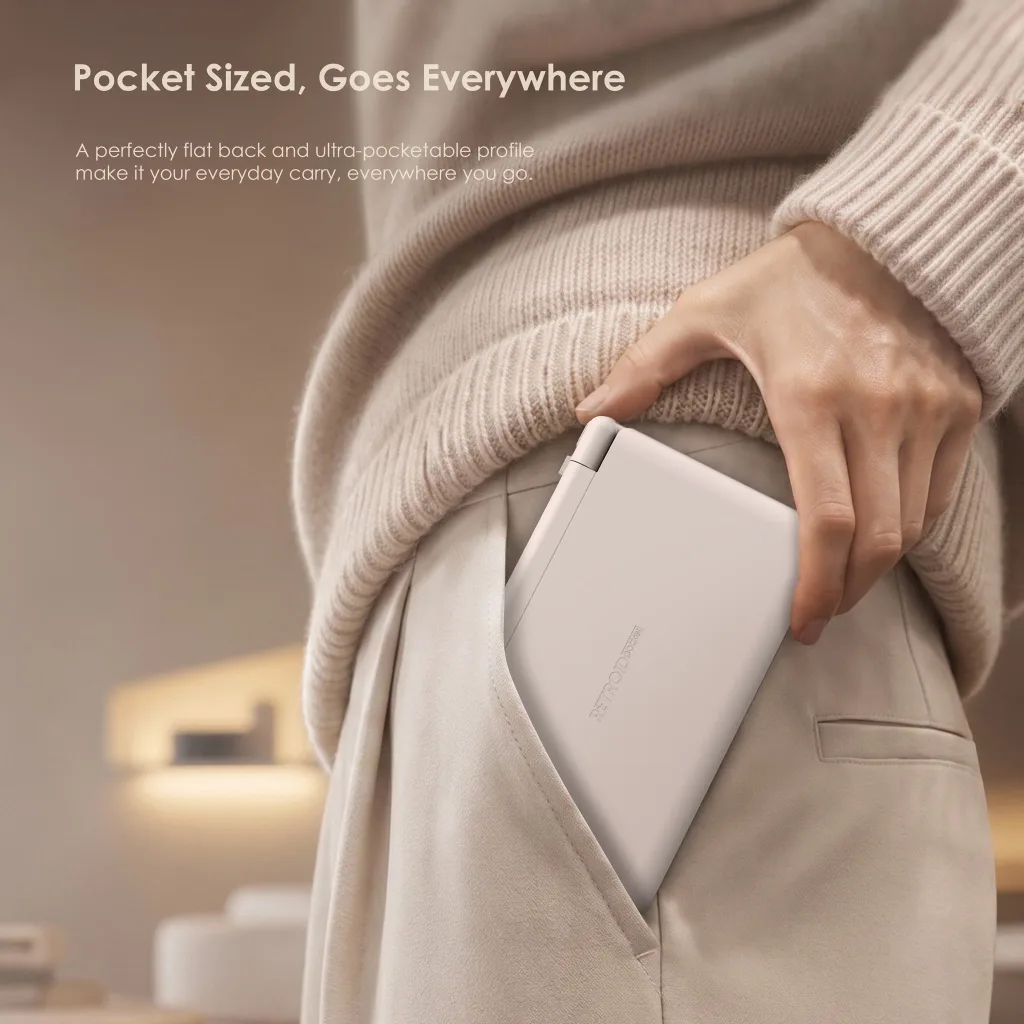
The measurements come in at 162 x 95.5 x 23.2mm, with that last number being pretty important. That’s 2.4mm thinner than the AYN Thor, which might not sound like a lot, but it’s enough to be a noticeable difference for those who carry handhelds around in their pockets. The rest of it sounds like it’s about the same height, and a bit longer to fit its larger display for the bottom screen.
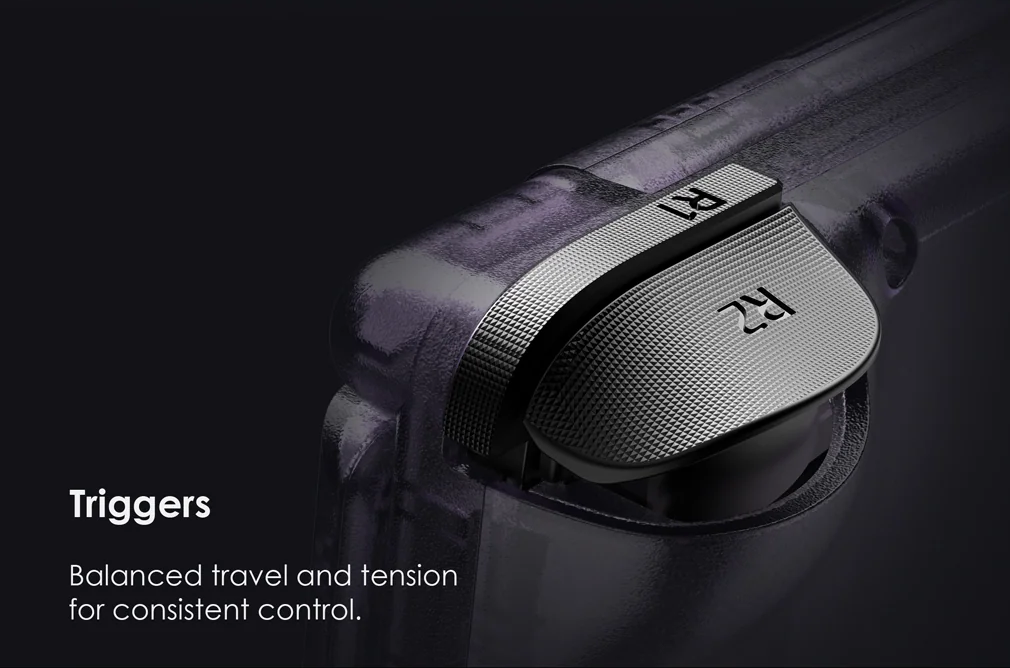
Round triggers
Source: Retroid
My biggest issue with the Thor was the flat triggers that felt awkward to use. Curved triggers are a much more comfortable and natural fit and will be a night-and-day difference for those who play games that use trigger buttons.
The unknown
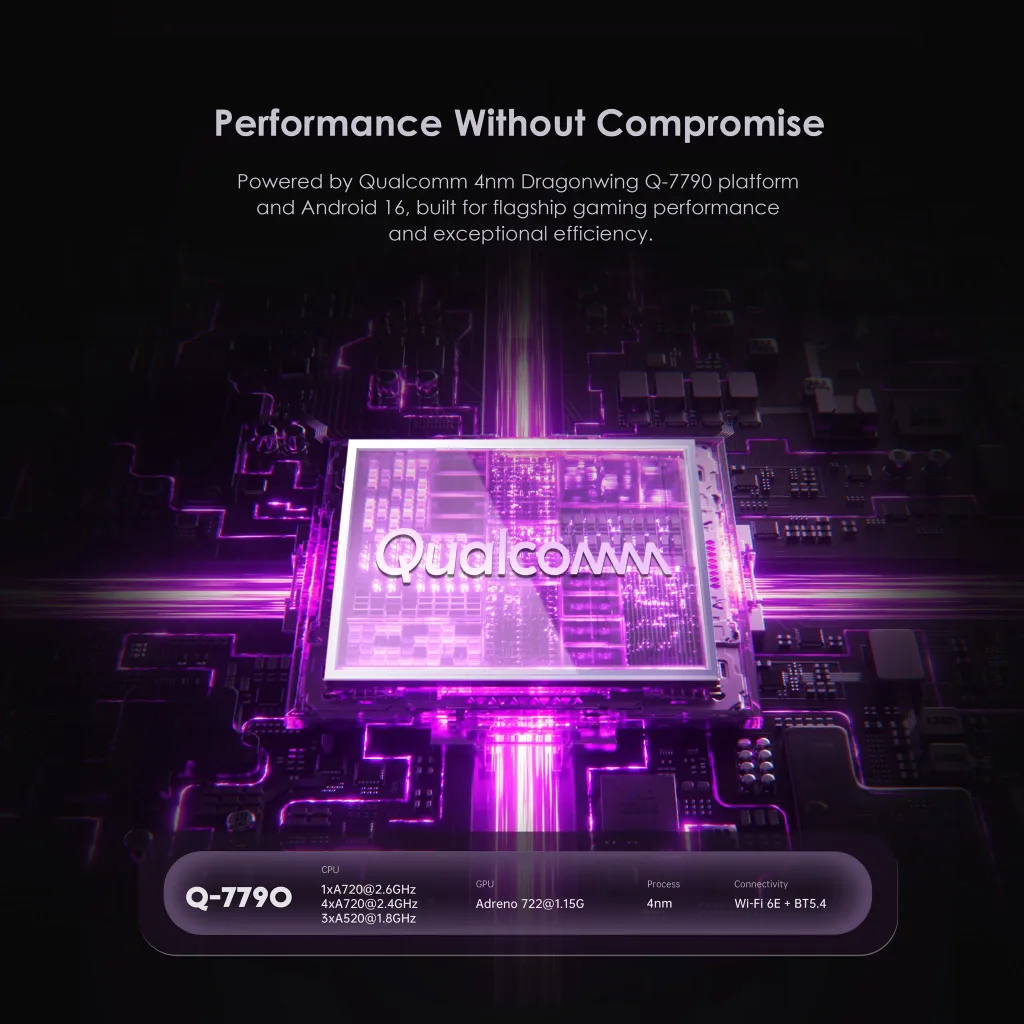
Dragonwing Q-7790 processor
Source: Retroid
This uses the equivalent of a Snapdragon 7 Gen 4 processor, which, on paper, seems like a smart choice. This does put it above the tried-and-true Snapdragon 865, meaning it’s got more juice than the Thor Lite and shouldn’t have problems running 3DS games outside of known emulator and compatibility issues. If the Q-7790 can run 3DS games at a 3x resolution upscale with HD textures, you’ll hear no complaints from me.
But this is a relatively unknown processor when it comes to emulation, and graphics drivers won’t be as mature as they are on the 865 or 8 Gen 2. Hopefully this gets the necessary driver support and proves to be a solid chipset when the dust settles.
Full-range hinge
Source: Retroid
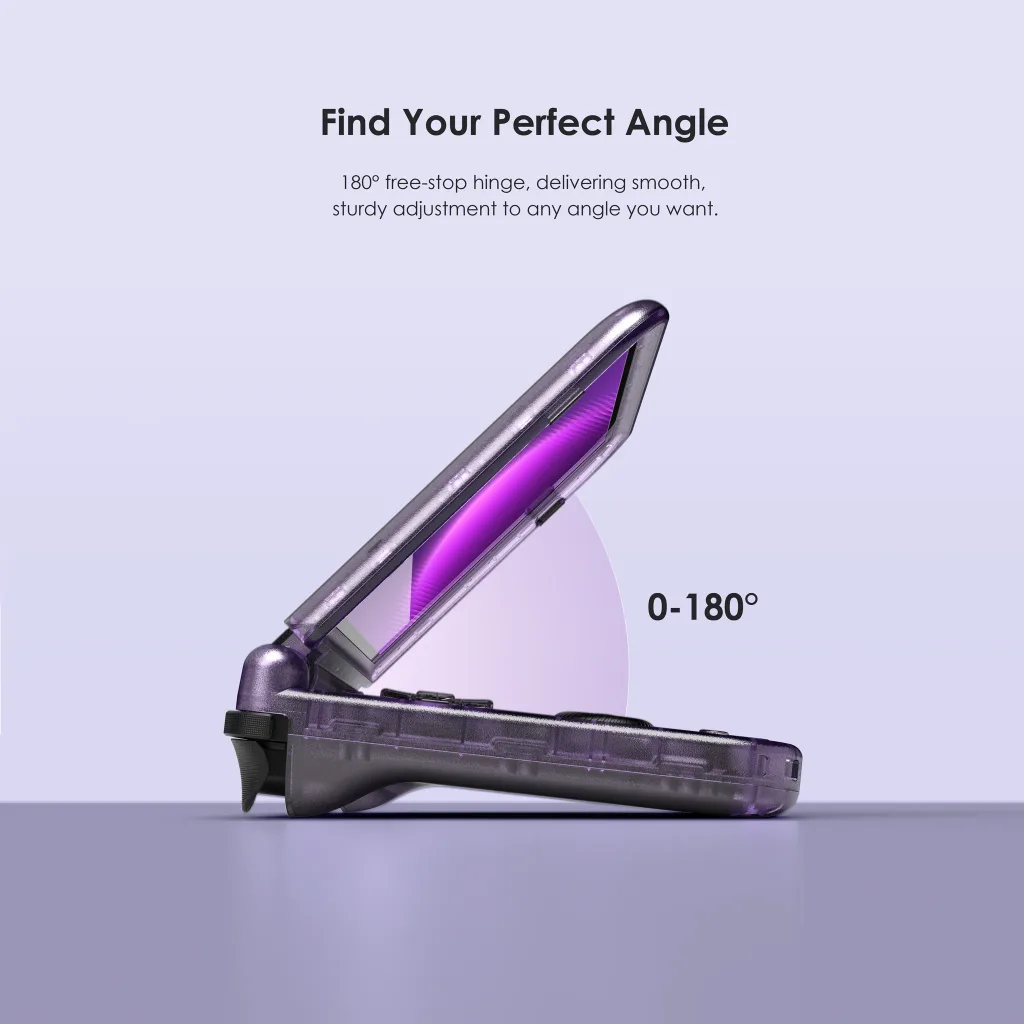
Retroid is heading into uncharted handheld territory by making a hinge that doesn’t lock at certain angles. Instead, the RP Duo can open up to 180 degrees so you can get the exact viewing angle that you prefer.
Hinges are notoriously difficult to get right. It’s something that even Nintendo struggled with back in the day, and Retroid has been known to drop the ball when it comes to hinges as well, so I’m a bit skeptical when it comes to the Duo’s hinges. Even if it works great out of the box, only time will tell if they’re durable or whether they’ll maintain the tension needed to view the top screen at any angle.
Standard stuff
Beyond everything mentioned above, we have the standard bells and whistles you’d expect from a device at this price range, like Wi-Fi 6E, Bluetooth 5.4, a 6000mAh battery, fast charging, a microSD card slot, a 3.5mm audio jack, etc. It should come together as a well-rounded device when combined with everything else we know about the Duo.
Duo Lite
Source: Retroid
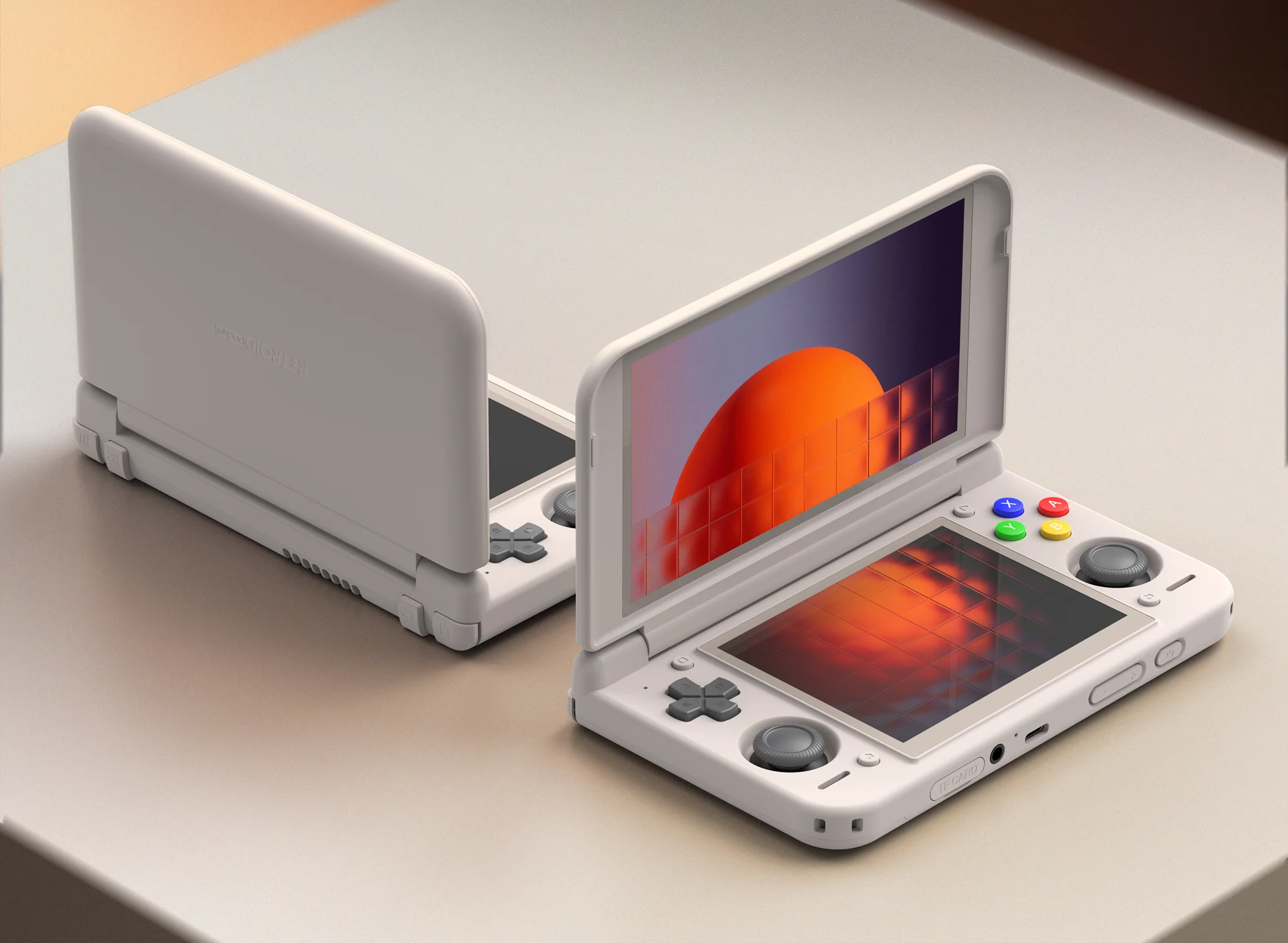
There’s also a Lite model with a separate product page, which makes sense given how different the two models are. It uses two 60Hz LCD screens; the bottom screen is 4.2 inches instead of 4.5; it charges at 18 watts instead of 27; and it packs a weaker QCS6125 processor with 4 or 6GB of RAM and either 64 or 128GB of storage. This is a clear downgrade, but the Lite model is thinner at 23.2mm thanks to the in-line shoulder and trigger buttons, and is significantly cheaper than the standard model.
The Duo Lite isn’t for me, but I do appreciate that there’s an actual difference between the two models beyond weaker specs. For those who don’t care for 3DS games and only want to emulate DS games, the Lite model might be for you.
Is this the dual-screen handheld you’ve been waiting for?
The dual-screen retro handhelds are interesting, since each one seems to be looking to carve out its own niche instead of directly competing with the other devices, and I don’t think the Duo is any exception. The Duo is clearly aimed at being a 3DS device, and the Duo Lite is going for being a DS device, with both of them appearing to use just enough power to get the job done with a little wiggle room for upscaling those systems. It’s a very deliberate design choice that I predict we’ll see more of in order to keep prices down as the industry continues to suffer from hardware shortages.
If Retroid can get the Duo to smoothly emulate 3DS games with HD textures at a 3x resolution, then yeah, I could easily see this being the dual-screen handheld of choice for those that aren’t interested in emulating Switch and PC games, and the price tag that comes with it.
The Retroid Pocket Duo costs $269, and the Lite costs $149 for the 4/64GB model and $169 for the 6/128GB model. You can get pre-order discounts by using the code DUOLITE to save $14 on the Lite models.
You can pre-order the Retroid Pocket Duo and Duo Lite below (non-affiliate links)
Retroid Pocket Duo
Retroid Pocket Duo Lite